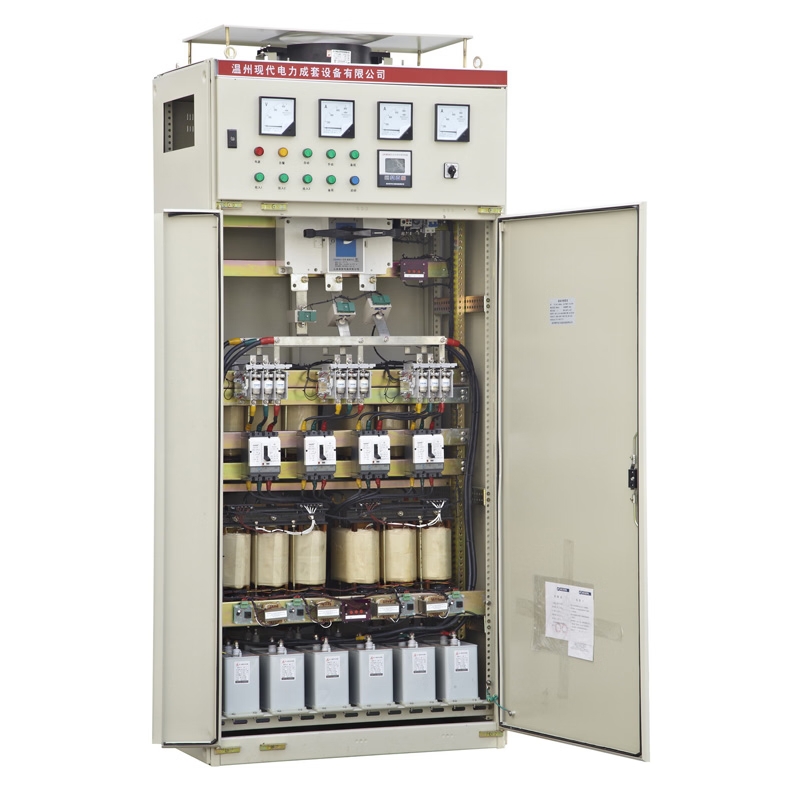
Power Factor Correction System in Faridabad
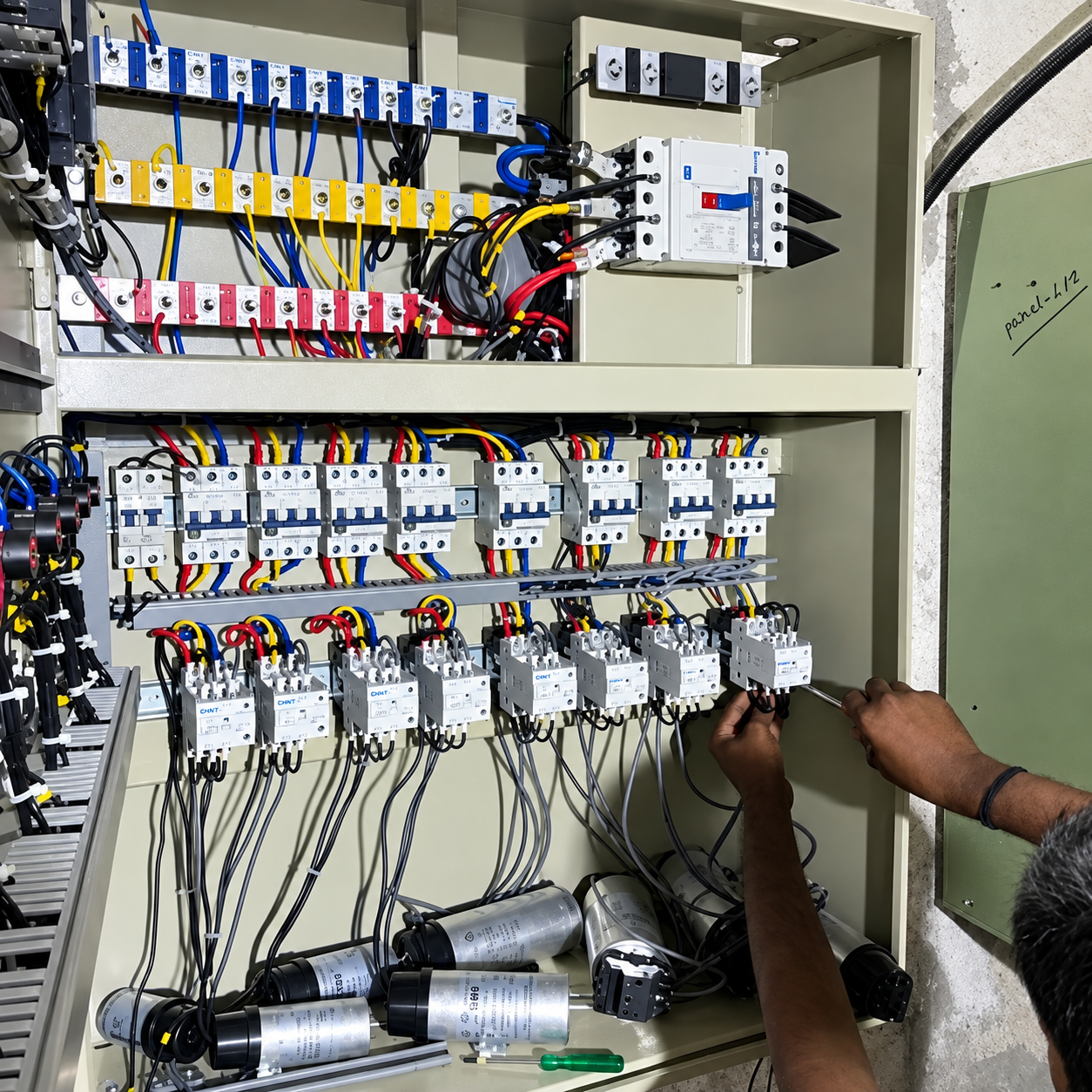
Power Factor Correction System in Faridabad for Industrial Power Needs
Power Factor Correction System in Faridabad planning should reflect the site's own operating conditions. Facilities around Faridabad can have very different demand profiles, from production machinery operating in shifts to building services running throughout the day. A site review gives Transparent Infra And Energy Solutions the information needed to discuss an appropriate correction arrangement.
Reactive power requirements change with the equipment in use. Reviewing recorded readings across normal working periods helps establish whether a capacitor bank, automatic panel or further power-quality investigation is the right next step.
Electrical Solutions Planned Around Your Facility
Power Factor Correction System in Faridabad planning should reflect the site's own operating conditions. A suitable correction design starts with the distribution system already in place. Incoming supply details, panel ratings, available mounting space and safe working access all influence the practical equipment selection.
For a facility considering a Power Factor Correction System in Faridabad, the first discussion should cover its electrical setup, operating hours and any recurring power-factor observations. These details create a more dependable basis for a proposal.
Request a Consultation ↗Improve Electrical Utilisation with a Power Factor Correction System in Faridabad
Power Factor Correction System in Faridabad planning should reflect the site's own operating conditions. Manufacturing units may switch between heavy and light production during a single shift. Control equipment should therefore be selected with the expected range of reactive demand in mind rather than sized only from the total connected load.
- Collect meter readings or available power-factor records for representative operating periods.
- List the major motors, compressors, pumps and other inductive equipment used at the site.
- Check the distribution board ratings and available space before choosing the panel arrangement.
- Review nonlinear loads and determine whether harmonic measurements are warranted.
- Match capacitor stages and switching equipment to the expected reactive demand range.
- Confirm ventilation, access clearances, cable routes and safe isolation arrangements.
- Document the controller settings and relevant readings after commissioning.
Commercial buildings also benefit from reviewing how HVAC equipment, lifts, pumps and other inductive loads operate together. Measurements collected during representative use can help identify the source and timing of the demand.
What a Well-Matched System Can Address
The objective of a Power Factor Correction System in Faridabad is to match compensation to the facility's measured requirements. A technically suitable design should avoid unnecessary over-correction and remain practical for routine maintenance.
Before an Transparent Infra And Energy is specified, the project team should examine existing protection, switching devices and cable arrangements. This reduces the chance of choosing equipment that does not fit the electrical installation.
Power Factor Correction System in Faridabad planning should reflect the site's own operating conditions. Power factor readings should be considered alongside other power-quality indicators where the site operates variable-frequency drives, UPS equipment or electronic power supplies. Harmonic conditions may affect the choice of capacitors and associated components.
A proposed Power Factor Correction System in Faridabad can be planned for factories, warehouses, offices, retail premises and other facilities with inductive loads. The final arrangement depends on the site's measurements and engineering review.
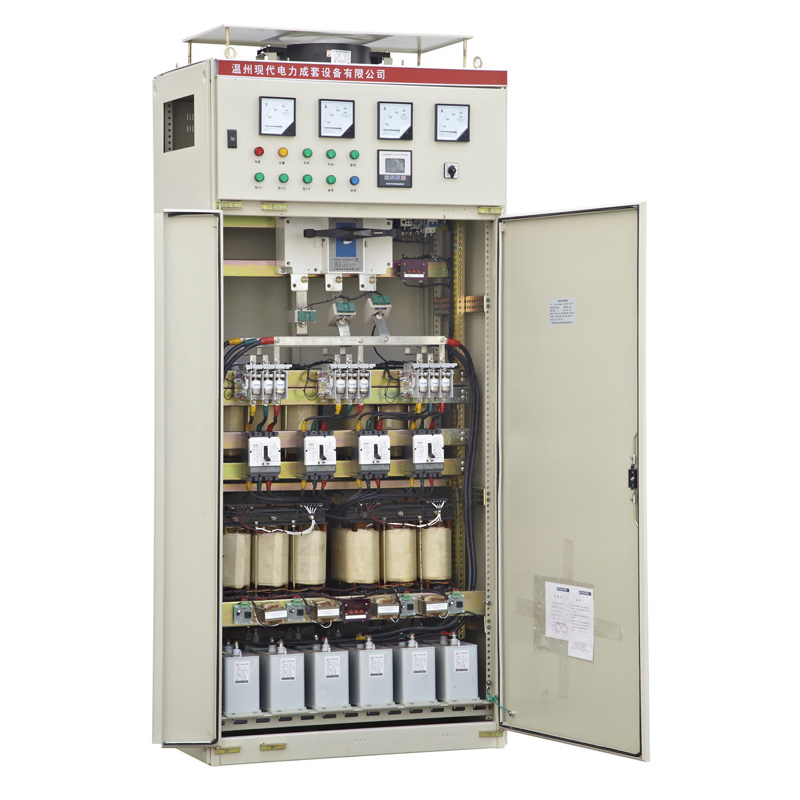
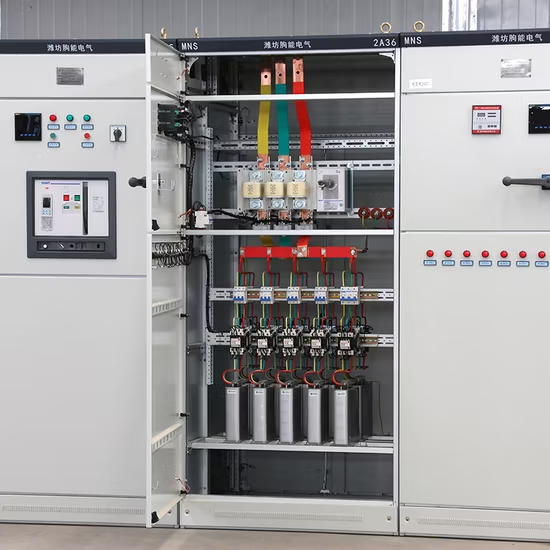
Automatic Correction for Fluctuating Loads
Power Factor Correction System in Faridabad planning should reflect the site's own operating conditions. A clear installation scope identifies what will be supplied, which connections need attention and when site access is required. It also helps the customer coordinate electrical work with production and building operations.
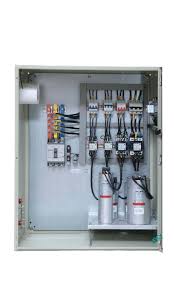
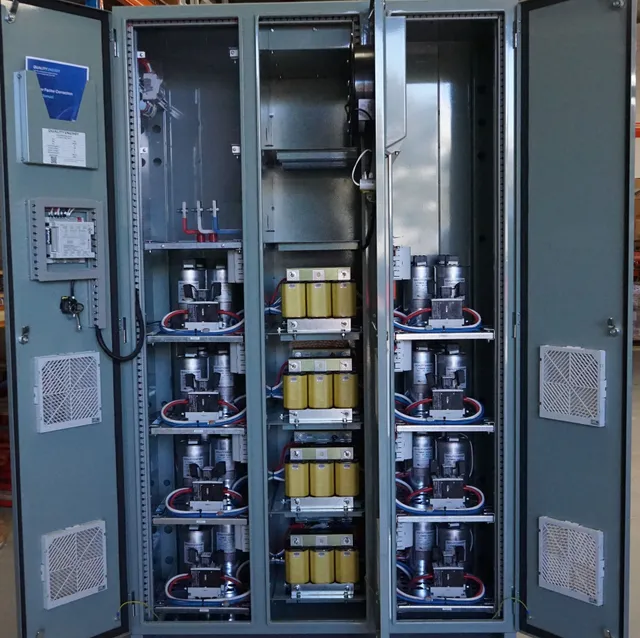
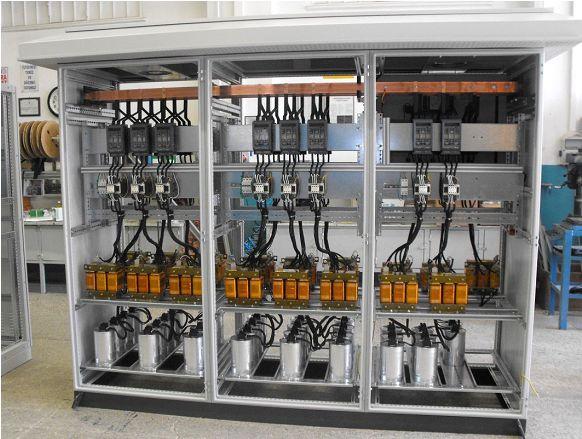
Capacitor stages should be arranged to suit the expected load range and switching duty. Component ratings, ventilation, enclosure conditions and protective devices all contribute to the suitability of the completed assembly.
Power Factor Correction System in Faridabad planning should reflect the site's own operating conditions. Transparent Infra And Energy Solutions can review the existing installation before advising whether new equipment, panel modification or additional measurements are needed. Recommendations should follow the findings rather than assume every site requires the same package.
A Power Factor Correction System in Faridabad should be commissioned with checks appropriate to the equipment supplied. Recording controller behaviour and electrical readings gives the maintenance team a reference for later inspections.
Power Factor Correction System in Faridabad planning should reflect the site's own operating conditions. Facilities planning to install additional machinery should share realistic expansion details during the survey. This allows the design discussion to account for foreseeable changes without selecting an unnecessarily oversized system.
Design Decisions Based on Site Information
- Set a maintenance schedule based on equipment duty and the site's operating environment.
- Reassess the design when significant new machinery or a different operating pattern is introduced.
- Coordinate the work plan with the authorised electrical representative at the facility.
- Collect meter readings or available power-factor records for representative operating periods.
- List the major motors, compressors, pumps and other inductive equipment used at the site.
- Check the distribution board ratings and available space before choosing the panel arrangement.
- Review nonlinear loads and determine whether harmonic measurements are warranted.
- Match capacitor stages and switching equipment to the expected reactive demand range.
- Confirm ventilation, access clearances, cable routes and safe isolation arrangements.
Power Factor Engineering for Faridabad Workplaces
The location of the panel matters to day-to-day service. Technicians need adequate working clearance, ventilation and clearly identified components to inspect the installation safely.
An assessment for a Power Factor Correction System in Faridabad may include reviewing bills or meter data where available, checking load behaviour and discussing any power-factor concerns reported by the facility.
Key Parts of a Well-Planned Installation
Our Project Method: Survey, Design and Verification
Power Factor Correction System in Faridabad planning should reflect the site's own operating conditions. Power factor improvement may help reduce applicable low-power-factor charges and can make better use of electrical distribution capacity, depending on the site's tariff and load conditions. Savings should not be promised without reviewing the available data.
A Power Factor Correction System in Faridabad is not selected by location alone. The required kVAr range, network characteristics, load variation and installation constraints must be considered before confirming a specification.
Power Factor Correction System in Faridabad planning should reflect the site's own operating conditions. A useful technical proposal explains the assumptions behind its recommendation, the proposed control approach and the checks planned at handover. This gives the customer a clearer basis for reviewing competing options.
For a site with nonlinear loads, harmonic assessment should be considered before adding capacitors. Depending on the results, the design may require additional measures to maintain compatible operation.
Power Factor Correction System in Faridabad planning should reflect the site's own operating conditions. The electrical team should document important settings and test observations after commissioning. Keeping this information with site records makes future troubleshooting and periodic review more straightforward.
Transparent Infra And Energy Solutions approaches each Power Factor Correction System in Faridabad project by considering the existing installation, operational priorities and the evidence gathered during assessment.
Power Factor Correction System in Faridabad planning should reflect the site's own operating conditions. Warehouses and logistics facilities may see demand shift as conveyors, chargers, ventilation and handling equipment come into use. The correction strategy should account for those changes across the normal working cycle.
Power Factor Applications Across Business Sectors
Hospitals, hotels and offices often need electrical work scheduled around uninterrupted building use. Planning access windows early helps align installation activities with the facility's operational requirements.
A Power Factor Correction System in Faridabad should be reviewed again if the site adds large motors, changes production schedules or notices a sustained change in electrical readings. New conditions can alter the original design assumptions.
The team can discuss a Power Factor Correction System in Faridabad after reviewing available load information and site constraints. Final capacity, configuration, price and timeline should be confirmed only after the required technical details are known.
Power Factor Correction System in Faridabad planning should reflect the site's own operating conditions. Facilities around Faridabad can have very different demand profiles, from production machinery operating in shifts to building services running throughout the day. A site review gives Transparent Infra And Energy Solutions the information needed to discuss an appropriate correction arrangement.
Reactive power requirements change with the equipment in use. Reviewing recorded readings across normal working periods helps establish whether a capacitor bank, automatic panel or further power-quality investigation is the right next step.
Planning Around Actual Demand
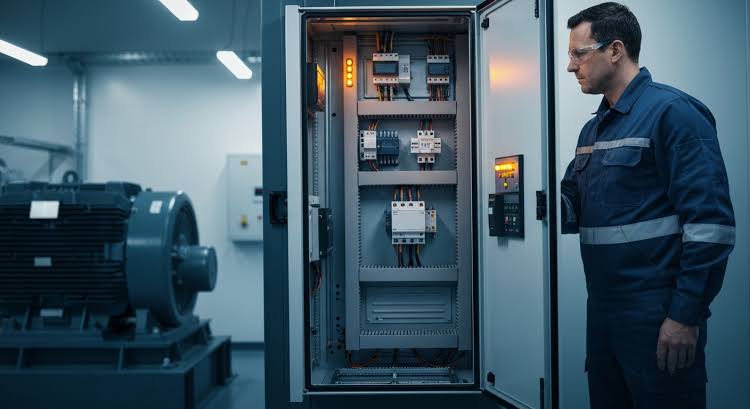
A suitable correction design starts with the distribution system already in place. Incoming supply details, panel ratings, available mounting space and safe working access all influence the practical equipment selection.
For a facility considering a Power Factor Correction System in Faridabad, the first discussion should cover its electrical setup, operating hours and any recurring power-factor observations. These details create a more dependable basis for a proposal.
Manufacturing units may switch between heavy and light production during a single shift. Control equipment should therefore be selected with the expected range of reactive demand in mind rather than sized only from the total connected load.
Commercial buildings also benefit from reviewing how HVAC equipment, lifts, pumps and other inductive loads operate together. Measurements collected during representative use can help identify the source and timing of the demand.
Installation and Service Requirements
The objective of a Power Factor Correction System in Faridabad is to match compensation to the facility's measured requirements. A technically suitable design should avoid unnecessary over-correction and remain practical for routine maintenance.
Before an Transparent Infra And Energy is specified, the project team should examine existing protection, switching devices and cable arrangements. This reduces the chance of choosing equipment that does not fit the electrical installation.
Power factor readings should be considered alongside other power-quality indicators where the site operates variable-frequency drives, UPS equipment or electronic power supplies. Harmonic conditions may affect the choice of capacitors and associated components.
A proposed Power Factor Correction System in Faridabad can be planned for factories, warehouses, offices, retail premises and other facilities with inductive loads. The final arrangement depends on the site's measurements and engineering review.
A clear installation scope identifies what will be supplied, which connections need attention and when site access is required. It also helps the customer coordinate electrical work with production and building operations.

Checks for Reliable System Operation
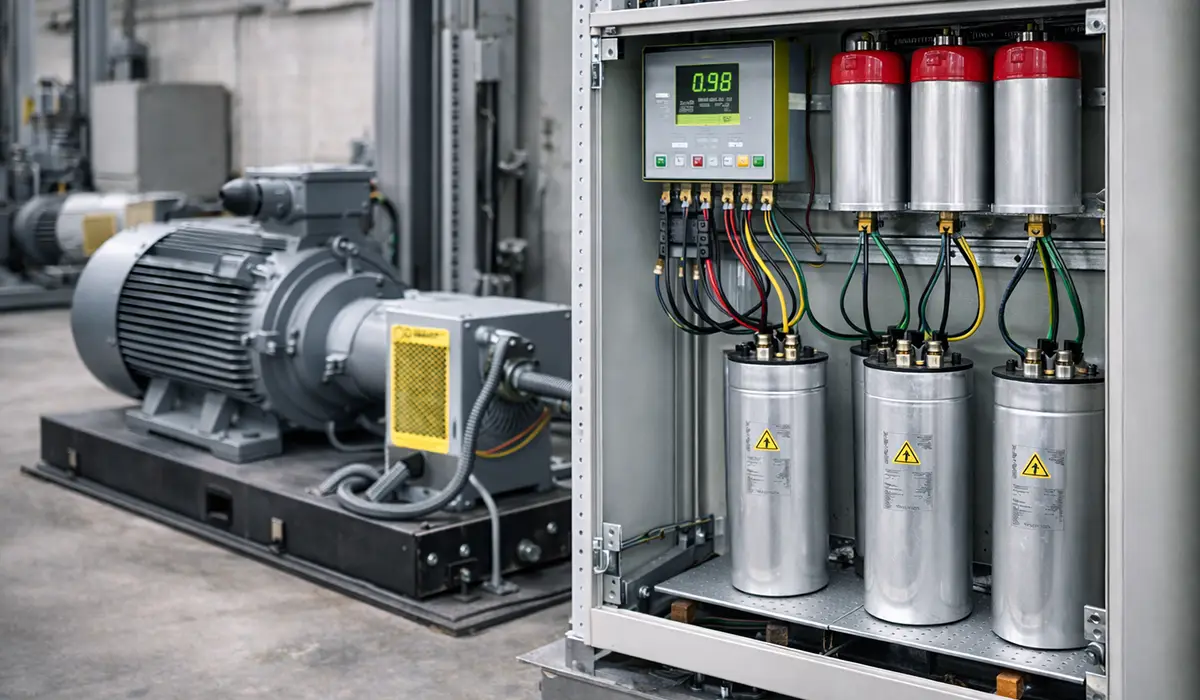
Capacitor stages should be arranged to suit the expected load range and switching duty. Component ratings, ventilation, enclosure conditions and protective devices all contribute to the suitability of the completed assembly.
Transparent Infra And Energy Solutions can review the existing installation before advising whether new equipment, panel modification or additional measurements are needed. Recommendations should follow the findings rather than assume every site requires the same package.
A Power Factor Correction System in Faridabad should be commissioned with checks appropriate to the equipment supplied. Recording controller behaviour and electrical readings gives the maintenance team a reference for later inspections.
Facilities planning to install additional machinery should share realistic expansion details during the survey. This allows the design discussion to account for foreseeable changes without selecting an unnecessarily oversized system.
The location of the panel matters to day-to-day service. Technicians need adequate working clearance, ventilation and clearly identified components to inspect the installation safely.
Assessment and Installation Services for Electrical Systems
An assessment for a Power Factor Correction System in Faridabad may include reviewing bills or meter data where available, checking load behaviour and discussing any power-factor concerns reported by the facility.
The expected operating pattern should guide the control method. Loads that vary frequently may call for automatic switching, while stable demand may be assessed differently after technical review.
Installation and Service Requirements
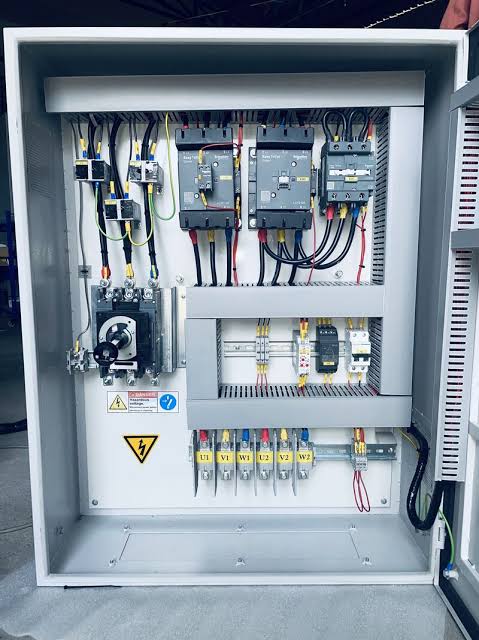
Installation work should be coordinated with authorised site personnel and the facility's electrical safety procedures. Isolation, access, cable routing and commissioning responsibilities should be agreed before work begins.
A maintenance plan can include checking terminals, capacitor condition, switching components, ventilation and controller alarms. The inspection frequency should reflect actual duty, operating environment and the manufacturer's guidance.
Power factor improvement may help reduce applicable low-power-factor charges and can make better use of electrical distribution capacity, depending on the site's tariff and load conditions. Savings should not be promised without reviewing the available data.
A Power Factor Correction System in Faridabad is not selected by location alone. The required kVAr range, network characteristics, load variation and installation constraints must be considered before confirming a specification.
A useful technical proposal explains the assumptions behind its recommendation, the proposed control approach and the checks planned at handover. This gives the customer a clearer basis for reviewing competing options.
Checks for Reliable System Operation
For a site with nonlinear loads, harmonic assessment should be considered before adding capacitors. Depending on the results, the design may require additional measures to maintain compatible operation.
The electrical team should document important settings and test observations after commissioning. Keeping this information with site records makes future troubleshooting and periodic review more straightforward.
Transparent Infra And Energy Solutions approaches each Power Factor Correction System in Faridabad project by considering the existing installation, operational priorities and the evidence gathered during assessment.
Warehouses and logistics facilities may see demand shift as conveyors, chargers, ventilation and handling equipment come into use. The correction strategy should account for those changes across the normal working cycle.
Hospitals, hotels and offices often need electrical work scheduled around uninterrupted building use. Planning access windows early helps align installation activities with the facility's operational requirements.
Electrical Details to Review
A Power Factor Correction System in Faridabad should be reviewed again if the site adds large motors, changes production schedules or notices a sustained change in electrical readings. New conditions can alter the original design assumptions.
The team can discuss a Power Factor Correction System in Faridabad after reviewing available load information and site constraints. Final capacity, configuration, price and timeline should be confirmed only after the required technical details are known.
Facilities around Faridabad can have very different demand profiles, from production machinery operating in shifts to building services running throughout the day. A site review gives Transparent Infra And Energy Solutions the information needed to discuss an appropriate correction arrangement.
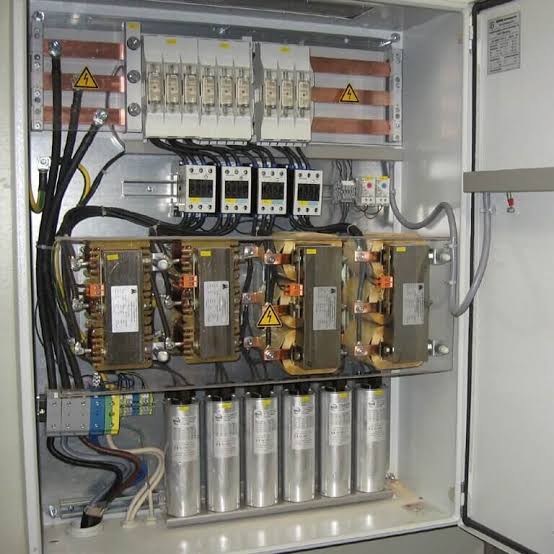
Reactive power requirements change with the equipment in use. Reviewing recorded readings across normal working periods helps establish whether a capacitor bank, automatic panel or further power-quality investigation is the right next step.
A suitable correction design starts with the distribution system already in place. Incoming supply details, panel ratings, available mounting space and safe working access all influence the practical equipment selection.
A Solution for Your Operating Pattern
For a facility considering a Power Factor Correction System in Faridabad, the first discussion should cover its electrical setup, operating hours and any recurring power-factor observations. These details create a more dependable basis for a proposal.
Manufacturing units may switch between heavy and light production during a single shift. Control equipment should therefore be selected with the expected range of reactive demand in mind rather than sized only from the total connected load.
Commercial buildings also benefit from reviewing how HVAC equipment, lifts, pumps and other inductive loads operate together. Measurements collected during representative use can help identify the source and timing of the demand.
The objective of a Power Factor Correction System in Faridabad is to match compensation to the facility's measured requirements. A technically suitable design should avoid unnecessary over-correction and remain practical for routine maintenance.
Before an Transparent Infra And Energy is specified, the project team should examine existing protection, switching devices and cable arrangements. This reduces the chance of choosing equipment that does not fit the electrical installation.
Correction Plans Shaped by Operating Conditions
Power factor readings should be considered alongside other power-quality indicators where the site operates variable-frequency drives, UPS equipment or electronic power supplies. Harmonic conditions may affect the choice of capacitors and associated components.
A proposed Power Factor Correction System in Faridabad can be planned for factories, warehouses, offices, retail premises and other facilities with inductive loads. The final arrangement depends on the site's measurements and engineering review.
A clear installation scope identifies what will be supplied, which connections need attention and when site access is required. It also helps the customer coordinate electrical work with production and building operations.
Checks for Reliable System Operation
Capacitor stages should be arranged to suit the expected load range and switching duty. Component ratings, ventilation, enclosure conditions and protective devices all contribute to the suitability of the completed assembly.
Transparent Infra And Energy Solutions can review the existing installation before advising whether new equipment, panel modification or additional measurements are needed. Recommendations should follow the findings rather than assume every site requires the same package.
Electrical Details to Review
A Power Factor Correction System in Faridabad should be commissioned with checks appropriate to the equipment supplied. Recording controller behaviour and electrical readings gives the maintenance team a reference for later inspections.
Facilities planning to install additional machinery should share realistic expansion details during the survey. This allows the design discussion to account for foreseeable changes without selecting an unnecessarily oversized system.
A Solution for Your Operating Pattern
The location of the panel matters to day-to-day service. Technicians need adequate working clearance, ventilation and clearly identified components to inspect the installation safely.
An assessment for a Power Factor Correction System in Faridabad may include reviewing bills or meter data where available, checking load behaviour and discussing any power-factor concerns reported by the facility.
Preparing for Future Requirements
The expected operating pattern should guide the control method. Loads that vary frequently may call for automatic switching, while stable demand may be assessed differently after technical review.
Installation work should be coordinated with authorised site personnel and the facility's electrical safety procedures. Isolation, access, cable routing and commissioning responsibilities should be agreed before work begins.
Planning Around Actual Demand
A maintenance plan can include checking terminals, capacitor condition, switching components, ventilation and controller alarms. The inspection frequency should reflect actual duty, operating environment and the manufacturer's guidance.
Power factor improvement may help reduce applicable low-power-factor charges and can make better use of electrical distribution capacity, depending on the site's tariff and load conditions. Savings should not be promised without reviewing the available data.
Installation and Service Requirements
A Power Factor Correction System in Faridabad is not selected by location alone. The required kVAr range, network characteristics, load variation and installation constraints must be considered before confirming a specification.
A useful technical proposal explains the assumptions behind its recommendation, the proposed control approach and the checks planned at handover. This gives the customer a clearer basis for reviewing competing options.
Checks for Reliable System Operation
For a site with nonlinear loads, harmonic assessment should be considered before adding capacitors. Depending on the results, the design may require additional measures to maintain compatible operation.
The electrical team should document important settings and test observations after commissioning. Keeping this information with site records makes future troubleshooting and periodic review more straightforward.
Electrical Details to Review
Transparent Infra And Energy Solutions approaches each Power Factor Correction System in Faridabad project by considering the existing installation, operational priorities and the evidence gathered during assessment.
Warehouses and logistics facilities may see demand shift as conveyors, chargers, ventilation and handling equipment come into use. The correction strategy should account for those changes across the normal working cycle.
Why Facilities Review Their Power Factor
Hospitals, hotels and offices often need electrical work scheduled around uninterrupted building use. Planning access windows early helps align installation activities with the facility's operational requirements.
A Power Factor Correction System in Faridabad should be reviewed again if the site adds large motors, changes production schedules or notices a sustained change in electrical readings. New conditions can alter the original design assumptions.
The team can discuss a Power Factor Correction System in Faridabad after reviewing available load information and site constraints. Final capacity, configuration, price and timeline should be confirmed only after the required technical details are known.
Facilities around Faridabad can have very different demand profiles, from production machinery operating in shifts to building services running throughout the day. A site review gives Transparent Infra And Energy Solutions the information needed to discuss an appropriate correction arrangement.
Reactive power requirements change with the equipment in use. Reviewing recorded readings across normal working periods helps establish whether a capacitor bank, automatic panel or further power-quality investigation is the right next step.
A suitable correction design starts with the distribution system already in place. Incoming supply details, panel ratings, available mounting space and safe working access all influence the practical equipment selection.
For a facility considering a Power Factor Correction System in Faridabad, the first discussion should cover its electrical setup, operating hours and any recurring power-factor observations. These details create a more dependable basis for a proposal.
Manufacturing units may switch between heavy and light production during a single shift. Control equipment should therefore be selected with the expected range of reactive demand in mind rather than sized only from the total connected load.
Commercial buildings also benefit from reviewing how HVAC equipment, lifts, pumps and other inductive loads operate together. Measurements collected during representative use can help identify the source and timing of the demand.
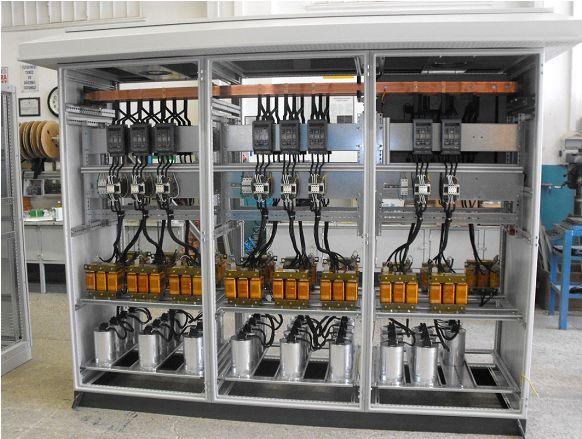
Electrical Demand Trends Across Faridabad
The objective of a Power Factor Correction System in Faridabad is to match compensation to the facility's measured requirements. A technically suitable design should avoid unnecessary over-correction and remain practical for routine maintenance.
Before an Transparent Infra And Energy is specified, the project team should examine existing protection, switching devices and cable arrangements. This reduces the chance of choosing equipment that does not fit the electrical installation.
Power factor readings should be considered alongside other power-quality indicators where the site operates variable-frequency drives, UPS equipment or electronic power supplies. Harmonic conditions may affect the choice of capacitors and associated components.
A proposed Power Factor Correction System in Faridabad can be planned for factories, warehouses, offices, retail premises and other facilities with inductive loads. The final arrangement depends on the site's measurements and engineering review.
A clear installation scope identifies what will be supplied, which connections need attention and when site access is required. It also helps the customer coordinate electrical work with production and building operations.
Capacitor stages should be arranged to suit the expected load range and switching duty. Component ratings, ventilation, enclosure conditions and protective devices all contribute to the suitability of the completed assembly.
Transparent Infra And Energy Solutions can review the existing installation before advising whether new equipment, panel modification or additional measurements are needed. Recommendations should follow the findings rather than assume every site requires the same package.
A Power Factor Correction System in Faridabad should be commissioned with checks appropriate to the equipment supplied. Recording controller behaviour and electrical readings gives the maintenance team a reference for later inspections.
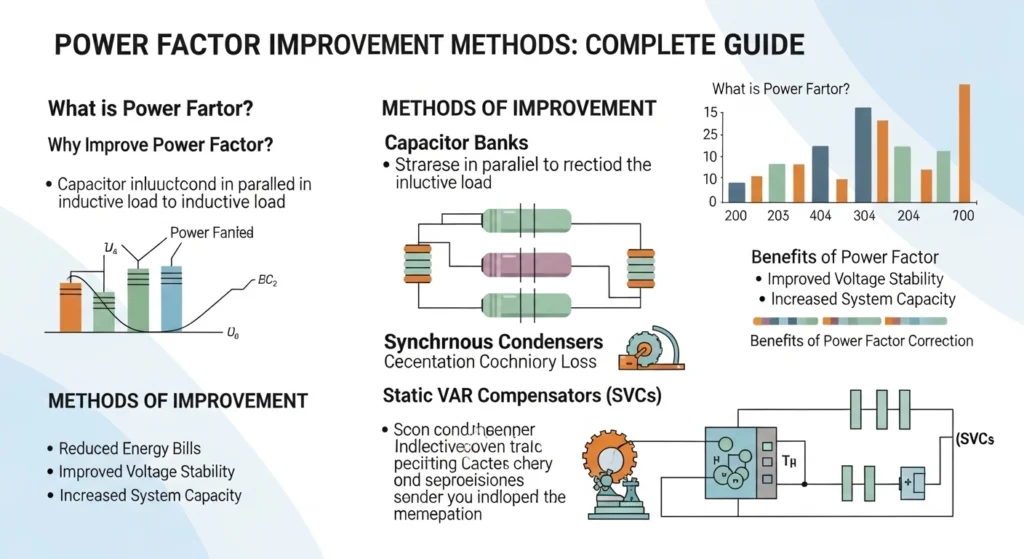
Transparent Infra And Energy Planning and System Configuration
Facilities planning to install additional machinery should share realistic expansion details during the survey. This allows the design discussion to account for foreseeable changes without selecting an unnecessarily oversized system.
The location of the panel matters to day-to-day service. Technicians need adequate working clearance, ventilation and clearly identified components to inspect the installation safely.
Begin with Operating Data
An assessment for a Power Factor Correction System in Faridabad may include reviewing bills or meter data where available, checking load behaviour and discussing any power-factor concerns reported by the facility.
Review Supply and Distribution Details
The expected operating pattern should guide the control method. Loads that vary frequently may call for automatic switching, while stable demand may be assessed differently after technical review.
Calculate a Suitable Compensation Range
Installation work should be coordinated with authorised site personnel and the facility's electrical safety procedures. Isolation, access, cable routing and commissioning responsibilities should be agreed before work begins.
Check for Harmonic Distortion
A maintenance plan can include checking terminals, capacitor condition, switching components, ventilation and controller alarms. The inspection frequency should reflect actual duty, operating environment and the manufacturer's guidance.
Select the Appropriate Control Strategy
Power factor improvement may help reduce applicable low-power-factor charges and can make better use of electrical distribution capacity, depending on the site's tariff and load conditions. Savings should not be promised without reviewing the available data.
Account for Daily Load Swings
A Power Factor Correction System in Faridabad is not selected by location alone. The required kVAr range, network characteristics, load variation and installation constraints must be considered before confirming a specification.
Record the Commissioning Results
A useful technical proposal explains the assumptions behind its recommendation, the proposed control approach and the checks planned at handover. This gives the customer a clearer basis for reviewing competing options.
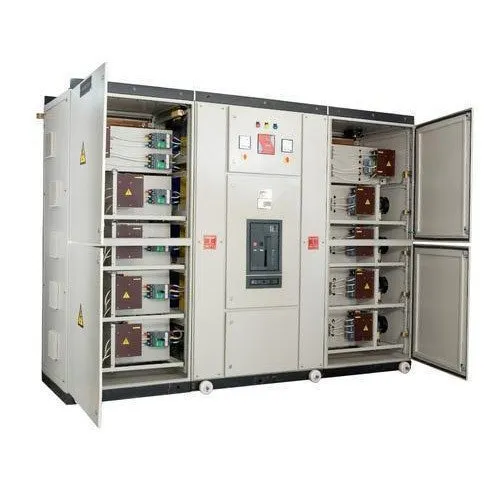
For a site with nonlinear loads, harmonic assessment should be considered before adding capacitors. Depending on the results, the design may require additional measures to maintain compatible operation.
Equipment and Protection Considerations
The electrical team should document important settings and test observations after commissioning. Keeping this information with site records makes future troubleshooting and periodic review more straightforward.
Transparent Infra And Energy Solutions approaches each Power Factor Correction System in Faridabad project by considering the existing installation, operational priorities and the evidence gathered during assessment.
Warehouses and logistics facilities may see demand shift as conveyors, chargers, ventilation and handling equipment come into use. The correction strategy should account for those changes across the normal working cycle.
Technical Items to Confirm Before Work Begins
Hospitals, hotels and offices often need electrical work scheduled around uninterrupted building use. Planning access windows early helps align installation activities with the facility's operational requirements.
A Power Factor Correction System in Faridabad should be reviewed again if the site adds large motors, changes production schedules or notices a sustained change in electrical readings. New conditions can alter the original design assumptions.
The team can discuss a Power Factor Correction System in Faridabad after reviewing available load information and site constraints. Final capacity, configuration, price and timeline should be confirmed only after the required technical details are known.
Connected Load and Actual Demand
Facilities around Faridabad can have very different demand profiles, from production machinery operating in shifts to building services running throughout the day. A site review gives Transparent Infra And Energy Solutions the information needed to discuss an appropriate correction arrangement.
Reactive power requirements change with the equipment in use. Reviewing recorded readings across normal working periods helps establish whether a capacitor bank, automatic panel or further power-quality investigation is the right next step.
Capacitor Bank Arrangement
A suitable correction design starts with the distribution system already in place. Incoming supply details, panel ratings, available mounting space and safe working access all influence the practical equipment selection.
For a facility considering a Power Factor Correction System in Faridabad, the first discussion should cover its electrical setup, operating hours and any recurring power-factor observations. These details create a more dependable basis for a proposal.
Switchgear and Circuit Protection
Manufacturing units may switch between heavy and light production during a single shift. Control equipment should therefore be selected with the expected range of reactive demand in mind rather than sized only from the total connected load.
Commercial buildings also benefit from reviewing how HVAC equipment, lifts, pumps and other inductive loads operate together. Measurements collected during representative use can help identify the source and timing of the demand.
Safe Switching Performance
The objective of a Power Factor Correction System in Faridabad is to match compensation to the facility's measured requirements. A technically suitable design should avoid unnecessary over-correction and remain practical for routine maintenance.
Before an Transparent Infra And Energy is specified, the project team should examine existing protection, switching devices and cable arrangements. This reduces the chance of choosing equipment that does not fit the electrical installation.
Harmonic Compatibility
Power factor readings should be considered alongside other power-quality indicators where the site operates variable-frequency drives, UPS equipment or electronic power supplies. Harmonic conditions may affect the choice of capacitors and associated components.
A proposed Power Factor Correction System in Faridabad can be planned for factories, warehouses, offices, retail premises and other facilities with inductive loads. The final arrangement depends on the site's measurements and engineering review.
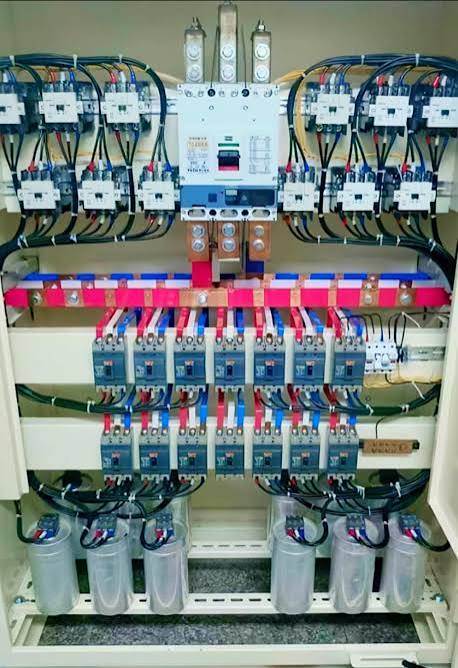
A clear installation scope identifies what will be supplied, which connections need attention and when site access is required. It also helps the customer coordinate electrical work with production and building operations.
Power Factor Correction Services in Faridabad
A Specification That Fits the Site
Capacitor stages should be arranged to suit the expected load range and switching duty. Component ratings, ventilation, enclosure conditions and protective devices all contribute to the suitability of the completed assembly.
Transparent Infra And Energy Solutions can review the existing installation before advising whether new equipment, panel modification or additional measurements are needed. Recommendations should follow the findings rather than assume every site requires the same package.
Installation Planning and Panel Readiness
A Power Factor Correction System in Faridabad should be commissioned with checks appropriate to the equipment supplied. Recording controller behaviour and electrical readings gives the maintenance team a reference for later inspections.
Facilities planning to install additional machinery should share realistic expansion details during the survey. This allows the design discussion to account for foreseeable changes without selecting an unnecessarily oversized system.
Testing Under Operating Conditions
The location of the panel matters to day-to-day service. Technicians need adequate working clearance, ventilation and clearly identified components to inspect the installation safely.
An assessment for a Power Factor Correction System in Faridabad may include reviewing bills or meter data where available, checking load behaviour and discussing any power-factor concerns reported by the facility.
Maintenance for Continued Reliability
The expected operating pattern should guide the control method. Loads that vary frequently may call for automatic switching, while stable demand may be assessed differently after technical review.
Installation work should be coordinated with authorised site personnel and the facility's electrical safety procedures. Isolation, access, cable routing and commissioning responsibilities should be agreed before work begins.
Reviewing Power Quality
A maintenance plan can include checking terminals, capacitor condition, switching components, ventilation and controller alarms. The inspection frequency should reflect actual duty, operating environment and the manufacturer's guidance.
Power factor improvement may help reduce applicable low-power-factor charges and can make better use of electrical distribution capacity, depending on the site's tariff and load conditions. Savings should not be promised without reviewing the available data.
Allowing for Future Capacity
A Power Factor Correction System in Faridabad is not selected by location alone. The required kVAr range, network characteristics, load variation and installation constraints must be considered before confirming a specification.
A useful technical proposal explains the assumptions behind its recommendation, the proposed control approach and the checks planned at handover. This gives the customer a clearer basis for reviewing competing options.
Coordinating with Facility Teams
For a site with nonlinear loads, harmonic assessment should be considered before adding capacitors. Depending on the results, the design may require additional measures to maintain compatible operation.
The electrical team should document important settings and test observations after commissioning. Keeping this information with site records makes future troubleshooting and periodic review more straightforward.
Access, Labelling and Serviceability
Transparent Infra And Energy Solutions approaches each Power Factor Correction System in Faridabad project by considering the existing installation, operational priorities and the evidence gathered during assessment.
Warehouses and logistics facilities may see demand shift as conveyors, chargers, ventilation and handling equipment come into use. The correction strategy should account for those changes across the normal working cycle.
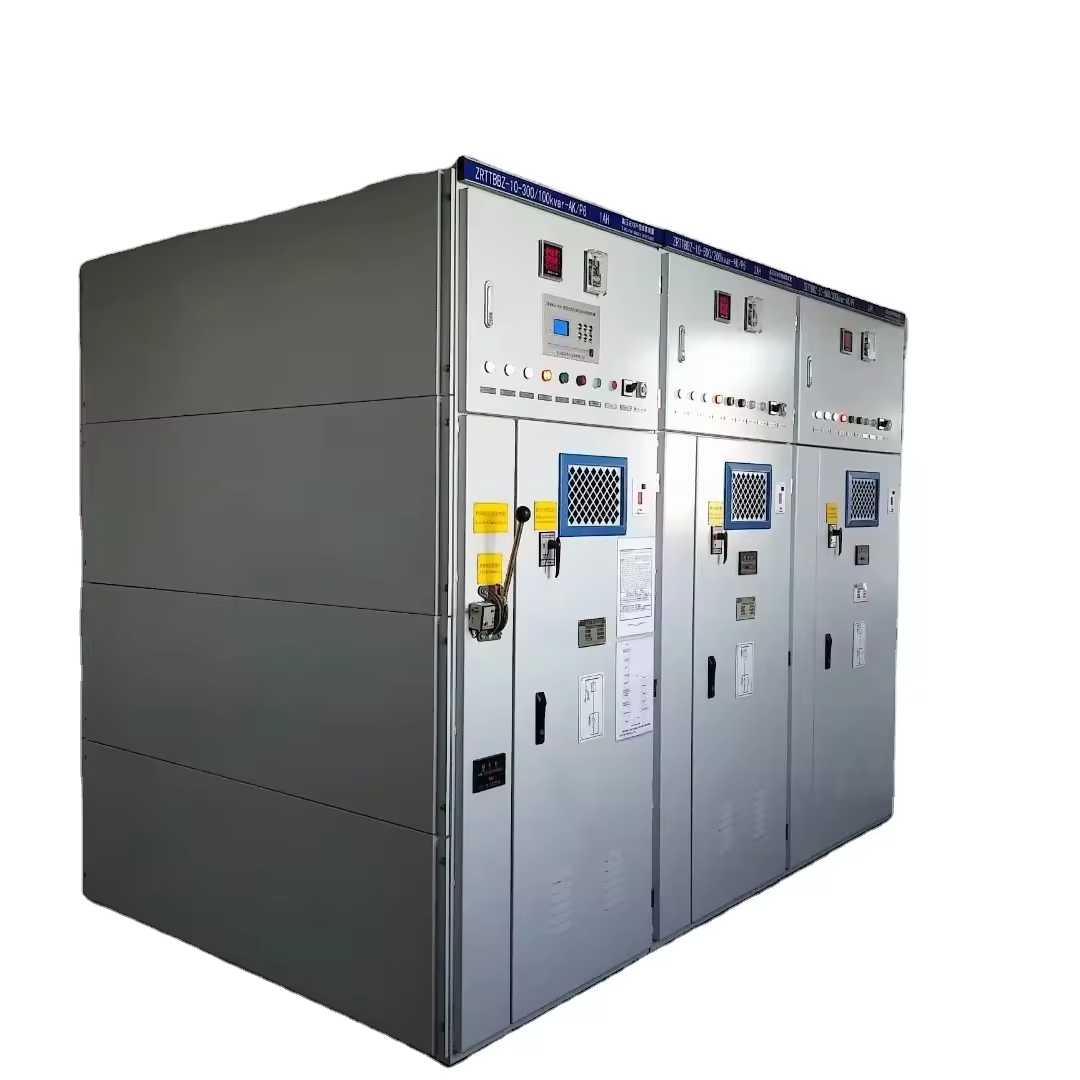
Hospitals, hotels and offices often need electrical work scheduled around uninterrupted building use. Planning access windows early helps align installation activities with the facility's operational requirements.
A Careful Approach to Power Factor Projects
A Power Factor Correction System in Faridabad should be reviewed again if the site adds large motors, changes production schedules or notices a sustained change in electrical readings. New conditions can alter the original design assumptions.
The team can discuss a Power Factor Correction System in Faridabad after reviewing available load information and site constraints. Final capacity, configuration, price and timeline should be confirmed only after the required technical details are known.
Facilities around Faridabad can have very different demand profiles, from production machinery operating in shifts to building services running throughout the day. A site review gives Transparent Infra And Energy Solutions the information needed to discuss an appropriate correction arrangement.
Reactive power requirements change with the equipment in use. Reviewing recorded readings across normal working periods helps establish whether a capacitor bank, automatic panel or further power-quality investigation is the right next step.
A suitable correction design starts with the distribution system already in place. Incoming supply details, panel ratings, available mounting space and safe working access all influence the practical equipment selection.
Technical Decisions Supported by Inspection
For a facility considering a Power Factor Correction System in Faridabad, the first discussion should cover its electrical setup, operating hours and any recurring power-factor observations. These details create a more dependable basis for a proposal.
Manufacturing units may switch between heavy and light production during a single shift. Control equipment should therefore be selected with the expected range of reactive demand in mind rather than sized only from the total connected load.
Commercial buildings also benefit from reviewing how HVAC equipment, lifts, pumps and other inductive loads operate together. Measurements collected during representative use can help identify the source and timing of the demand.
The objective of a Power Factor Correction System in Faridabad is to match compensation to the facility's measured requirements. A technically suitable design should avoid unnecessary over-correction and remain practical for routine maintenance.
Before an Transparent Infra And Energy is specified, the project team should examine existing protection, switching devices and cable arrangements. This reduces the chance of choosing equipment that does not fit the electrical installation.
Power factor readings should be considered alongside other power-quality indicators where the site operates variable-frequency drives, UPS equipment or electronic power supplies. Harmonic conditions may affect the choice of capacitors and associated components.
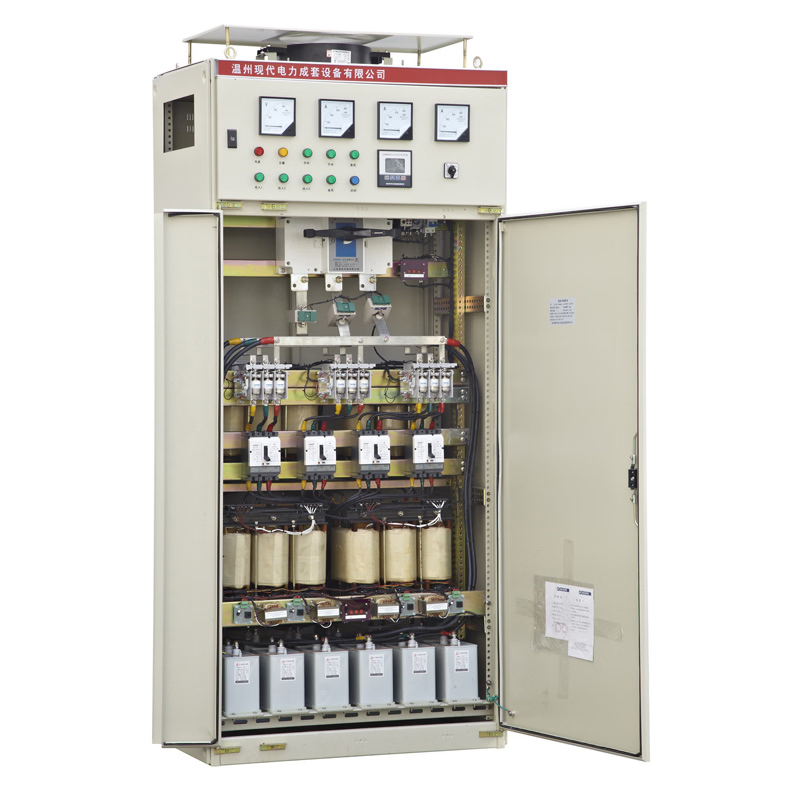
Project Coordination for Faridabad Facilities
A proposed Power Factor Correction System in Faridabad can be planned for factories, warehouses, offices, retail premises and other facilities with inductive loads. The final arrangement depends on the site's measurements and engineering review.
A clear installation scope identifies what will be supplied, which connections need attention and when site access is required. It also helps the customer coordinate electrical work with production and building operations.
Capacitor stages should be arranged to suit the expected load range and switching duty. Component ratings, ventilation, enclosure conditions and protective devices all contribute to the suitability of the completed assembly.
Transparent Infra And Energy Solutions can review the existing installation before advising whether new equipment, panel modification or additional measurements are needed. Recommendations should follow the findings rather than assume every site requires the same package.
Configuration Guided by Measurements
A Power Factor Correction System in Faridabad should be commissioned with checks appropriate to the equipment supplied. Recording controller behaviour and electrical readings gives the maintenance team a reference for later inspections.
Facilities planning to install additional machinery should share realistic expansion details during the survey. This allows the design discussion to account for foreseeable changes without selecting an unnecessarily oversized system.
The location of the panel matters to day-to-day service. Technicians need adequate working clearance, ventilation and clearly identified components to inspect the installation safely.
An assessment for a Power Factor Correction System in Faridabad may include reviewing bills or meter data where available, checking load behaviour and discussing any power-factor concerns reported by the facility.
Solutions for Commercial and Industrial Sites
The expected operating pattern should guide the control method. Loads that vary frequently may call for automatic switching, while stable demand may be assessed differently after technical review.
Installation work should be coordinated with authorised site personnel and the facility's electrical safety procedures. Isolation, access, cable routing and commissioning responsibilities should be agreed before work begins.
A maintenance plan can include checking terminals, capacitor condition, switching components, ventilation and controller alarms. The inspection frequency should reflect actual duty, operating environment and the manufacturer's guidance.
Power factor improvement may help reduce applicable low-power-factor charges and can make better use of electrical distribution capacity, depending on the site's tariff and load conditions. Savings should not be promised without reviewing the available data.
A Power Factor Correction System in Faridabad is not selected by location alone. The required kVAr range, network characteristics, load variation and installation constraints must be considered before confirming a specification.
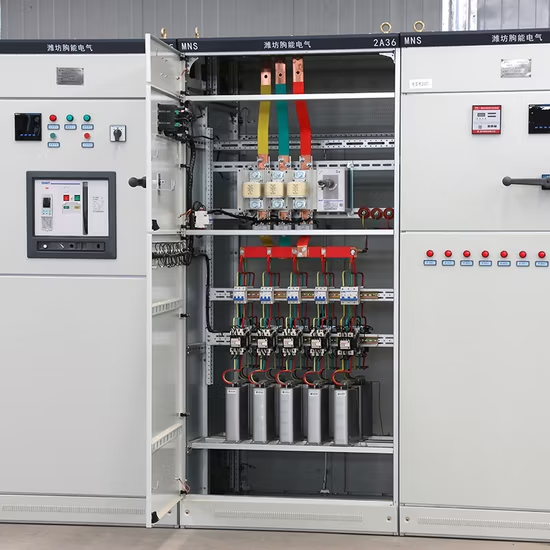
Using Electrical Resources More Effectively
A useful technical proposal explains the assumptions behind its recommendation, the proposed control approach and the checks planned at handover. This gives the customer a clearer basis for reviewing competing options.
For a site with nonlinear loads, harmonic assessment should be considered before adding capacitors. Depending on the results, the design may require additional measures to maintain compatible operation.
The electrical team should document important settings and test observations after commissioning. Keeping this information with site records makes future troubleshooting and periodic review more straightforward.
Transparent Infra And Energy Solutions approaches each Power Factor Correction System in Faridabad project by considering the existing installation, operational priorities and the evidence gathered during assessment.
Warehouses and logistics facilities may see demand shift as conveyors, chargers, ventilation and handling equipment come into use. The correction strategy should account for those changes across the normal working cycle.
Hospitals, hotels and offices often need electrical work scheduled around uninterrupted building use. Planning access windows early helps align installation activities with the facility's operational requirements.
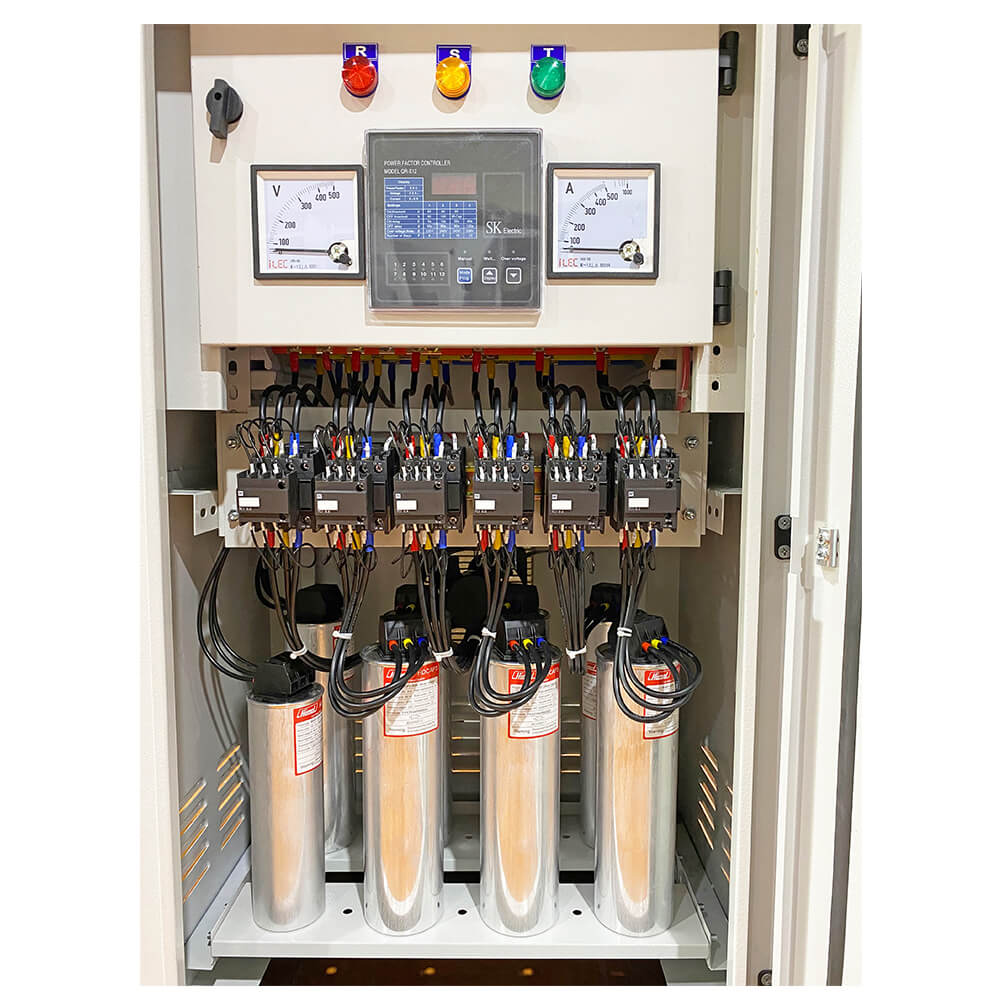
Systems That Can Accommodate Demand Changes
A Power Factor Correction System in Faridabad should be reviewed again if the site adds large motors, changes production schedules or notices a sustained change in electrical readings. New conditions can alter the original design assumptions.
The team can discuss a Power Factor Correction System in Faridabad after reviewing available load information and site constraints. Final capacity, configuration, price and timeline should be confirmed only after the required technical details are known.
Facilities around Faridabad can have very different demand profiles, from production machinery operating in shifts to building services running throughout the day. A site review gives Transparent Infra And Energy Solutions the information needed to discuss an appropriate correction arrangement.
Reactive power requirements change with the equipment in use. Reviewing recorded readings across normal working periods helps establish whether a capacitor bank, automatic panel or further power-quality investigation is the right next step.
A suitable correction design starts with the distribution system already in place. Incoming supply details, panel ratings, available mounting space and safe working access all influence the practical equipment selection.
For a facility considering a Power Factor Correction System in Faridabad, the first discussion should cover its electrical setup, operating hours and any recurring power-factor observations. These details create a more dependable basis for a proposal.
Thoughtful Engineering for Long-Term Operation
Manufacturing units may switch between heavy and light production during a single shift. Control equipment should therefore be selected with the expected range of reactive demand in mind rather than sized only from the total connected load.
Commercial buildings also benefit from reviewing how HVAC equipment, lifts, pumps and other inductive loads operate together. Measurements collected during representative use can help identify the source and timing of the demand.
The objective of a Power Factor Correction System in Faridabad is to match compensation to the facility's measured requirements. A technically suitable design should avoid unnecessary over-correction and remain practical for routine maintenance.
Before an Transparent Infra And Energy is specified, the project team should examine existing protection, switching devices and cable arrangements. This reduces the chance of choosing equipment that does not fit the electrical installation.
Power factor readings should be considered alongside other power-quality indicators where the site operates variable-frequency drives, UPS equipment or electronic power supplies. Harmonic conditions may affect the choice of capacitors and associated components.
Transparent Infra And Energy Solutions – Power Factor Services
A proposed Power Factor Correction System in Faridabad can be planned for factories, warehouses, offices, retail premises and other facilities with inductive loads. The final arrangement depends on the site's measurements and engineering review.
A clear installation scope identifies what will be supplied, which connections need attention and when site access is required. It also helps the customer coordinate electrical work with production and building operations.
Capacitor stages should be arranged to suit the expected load range and switching duty. Component ratings, ventilation, enclosure conditions and protective devices all contribute to the suitability of the completed assembly.
Transparent Infra And Energy Solutions can review the existing installation before advising whether new equipment, panel modification or additional measurements are needed. Recommendations should follow the findings rather than assume every site requires the same package.
A Power Factor Correction System in Faridabad should be commissioned with checks appropriate to the equipment supplied. Recording controller behaviour and electrical readings gives the maintenance team a reference for later inspections.
Facilities planning to install additional machinery should share realistic expansion details during the survey. This allows the design discussion to account for foreseeable changes without selecting an unnecessarily oversized system.
The location of the panel matters to day-to-day service. Technicians need adequate working clearance, ventilation and clearly identified components to inspect the installation safely.