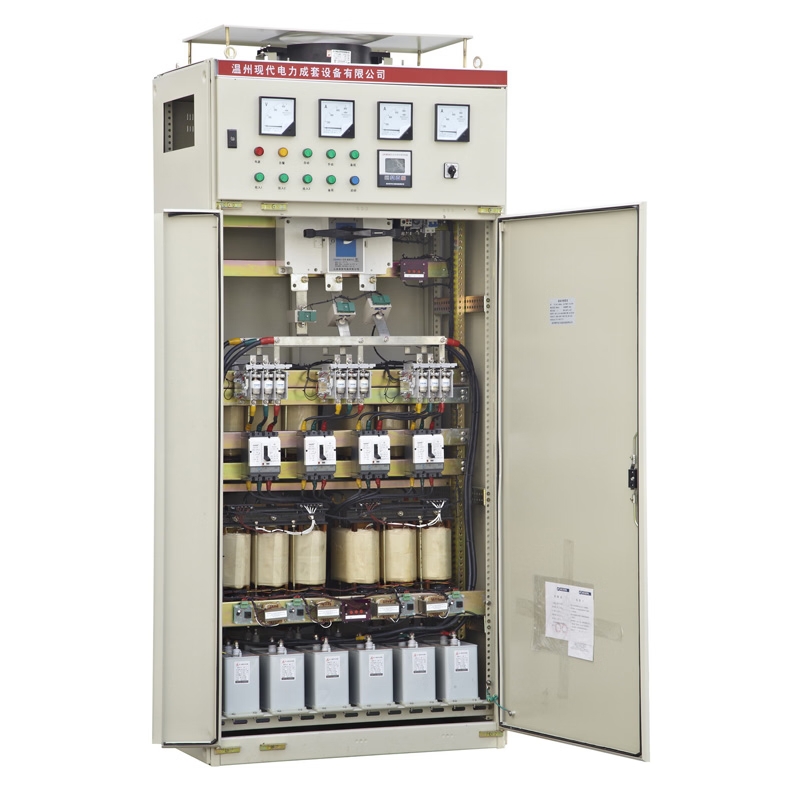
Power Factor Correction System in Ghaziabad
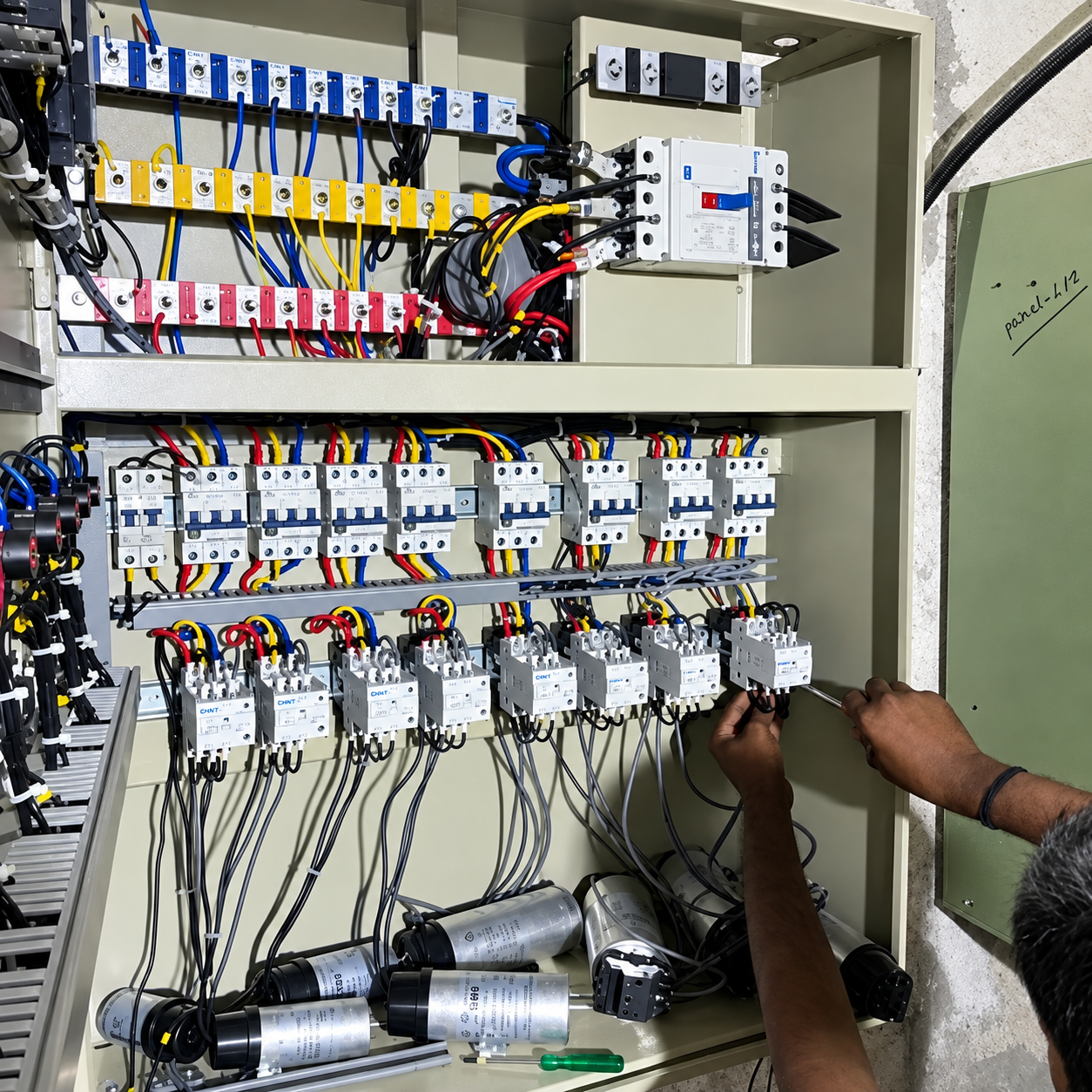
Power Factor Correction System in Ghaziabad for Smarter Power Management
Power Factor Correction System in Ghaziabad projects need a site-specific review before equipment is selected. To discuss your requirements, request a Ghaziabad site assessment. A measured proposal should follow the facility’s actual electrical conditions.
Every installation follows its own operating rhythm, so the correction plan should reflect when machinery starts, pauses and runs together. For initial assessment and project goals, capacitor stages and the controller that operates them should be recorded so future maintenance visits can compare performance with a known baseline. No fixed panel size should be assumed before the survey and technical review are complete.
Electrical Correction Plans Built for Your Facility
The proposed arrangement should suit the supply system, available switchboard space and maintenance practices followed at the premises. For initial assessment and project goals, the electrical room’s ventilation and service access may influence the choice of control method, component ratings and protective arrangement. The scope and timeline can be agreed after the installation details have been checked.
A practical assessment brings together power readings, equipment schedules and the facility’s plans for future expansion. For initial assessment and project goals, equipment using drives, rectifiers or other nonlinear electronics provides a sound basis for deciding which measurements or corrective actions are still needed. This keeps the proposal specific to the facility rather than relying on a generic package.
Request a Consultation ↗Why Install a Power Factor Correction System in Ghaziabad?
Good engineering decisions depend on evidence gathered during representative operating periods and interpreted against site requirements. For benefits, APFC control and design checks, safe isolation, cable routes and mounting requirements can help determine an appropriate compensation strategy before a panel is specified. Actual performance depends on measured demand, installation quality and operating conditions.
- Check protective devices and switching components for the application.
- Consider harmonic conditions wherever nonlinear equipment is used.
- Plan clear labels and accessible points for routine inspection.
- Confirm controller response during representative operating conditions.
- Keep commissioning readings with the site’s maintenance records.
- Allow for future machinery only where expansion is realistically planned.
- Coordinate site work with shutdown windows and safety procedures.
Power Factor Correction System in Ghaziabad projects need a site-specific review before equipment is selected. Before any equipment rating is finalised, the electrical arrangement and the intended mounting location should be checked. For benefits, APFC control and design checks, the production schedule and critical operating periods can reveal whether a standard capacitor arrangement is suitable or further analysis is required. No fixed panel size should be assumed before the survey and technical review are complete.
Practical Advantages for Everyday Operations
The objective is to select a solution that follows actual demand and remains straightforward to inspect over time. For benefits, APFC control and design checks, motor-driven production lines and pumping equipment helps the engineering team plan a configuration that is practical to install and service. The scope and timeline can be agreed after the installation details have been checked.
A measured approach helps distinguish a low power factor concern from other conditions that may affect electrical performance. For benefits, APFC control and design checks, mixed loads found in offices, warehouses and commercial premises should be reviewed before estimating likely savings or changes in available distribution capacity. This keeps the proposal specific to the facility rather than relying on a generic package.
Site conditions can change between shifts, making suitable control and accurate readings important parts of the design. For benefits, APFC control and design checks, power-quality readings gathered during representative operating hours can reduce the risk of over-compensation and unsuitable switching behaviour. The final recommendation should be confirmed against site readings and applicable electrical standards.
An installation plan should account for operating continuity, technician access and the protection requirements of the distribution system. For benefits, APFC control and design checks, the maintenance team’s inspection and record-keeping process can help determine an appropriate compensation strategy before a panel is specified. Actual performance depends on measured demand, installation quality and operating conditions.
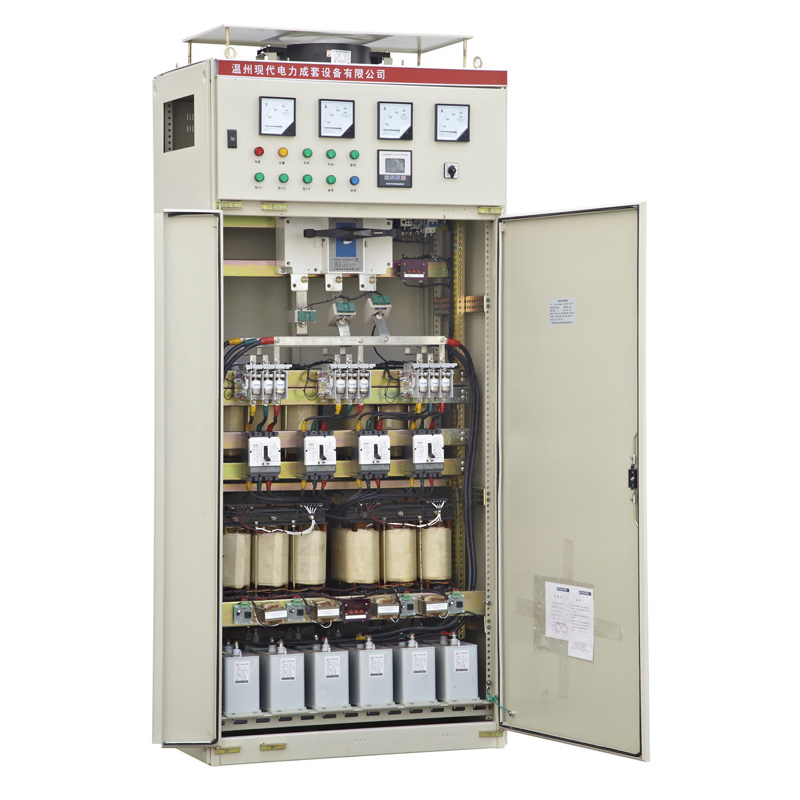
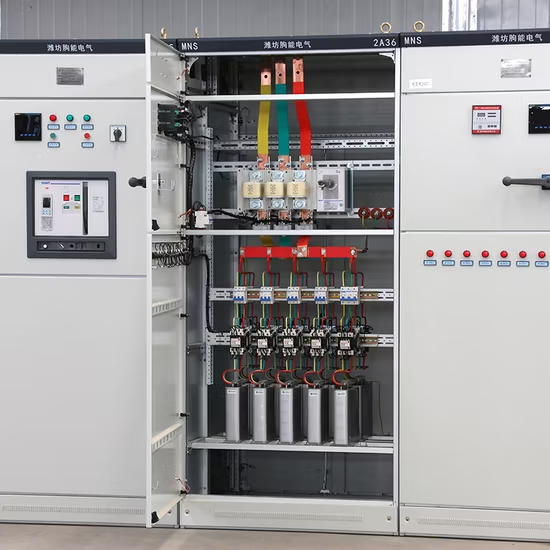
Automatic Panel Control for Variable Demand
Power Factor Correction System in Ghaziabad projects need a site-specific review before equipment is selected. Equipment choice should follow the survey findings, including unusual load behaviour and any power-quality concerns. For benefits, APFC control and design checks, the expected switching frequency and reactive demand range can reveal whether a standard capacitor arrangement is suitable or further analysis is required. No fixed panel size should be assumed before the survey and technical review are complete.
A documented project gives maintenance staff a useful record of settings, tests and expected operating behaviour. For benefits, APFC control and design checks, temperature, connection condition and component service life helps the engineering team plan a configuration that is practical to install and service. The scope and timeline can be agreed after the installation details have been checked.
The correction target needs to be considered alongside demand variation, system characteristics and applicable utility billing rules. For benefits, APFC control and design checks, controller settings and the sequence of capacitor-stage operation should be reviewed before estimating likely savings or changes in available distribution capacity. This keeps the proposal specific to the facility rather than relying on a generic package.
Panel location, heat dissipation and safe working clearances can influence the final arrangement as much as its electrical rating. For benefits, APFC control and design checks, air-conditioning plants, lifts and building services can reduce the risk of over-compensation and unsuitable switching behaviour. The final recommendation should be confirmed against site readings and applicable electrical standards.
Reviewing the existing installation first helps avoid specifying equipment that does not fit the facility’s real conditions. For benefits, APFC control and design checks, capacitor stages and the controller that operates them can help determine an appropriate compensation strategy before a panel is specified. Actual performance depends on measured demand, installation quality and operating conditions.
Site Review Before Equipment Selection
- Review the installation when operating patterns materially change.
- Assess the existing panel before deciding whether repair or replacement is suitable.
- Use measured reactive demand to guide the kVAr requirement.
- Check ventilation and working clearances around the panel.
- Verify capacitor-stage switching before handover.
- Document final settings for future fault-finding.
- Schedule periodic checks according to duty and site conditions.
- Review recorded demand before selecting correction capacity.
- Match capacitor stages to the facility’s expected load range.
Power Factor Correction Support for Ghaziabad Industries
Power Factor Correction System in Ghaziabad projects need a site-specific review before equipment is selected. The service plan can be coordinated with operating hours to limit unnecessary disruption during inspection or installation. For industrial and commercial operating needs, changes between daytime, evening and weekend demand should be recorded so future maintenance visits can compare performance with a known baseline. The scope and timeline can be agreed after the installation details have been checked.
Dependable operation relies on suitable components, careful commissioning and follow-up checks under normal site conditions. For industrial and commercial operating needs, planned additions to the site’s electrical infrastructure may influence the choice of control method, component ratings and protective arrangement. This keeps the proposal specific to the facility rather than relying on a generic package.
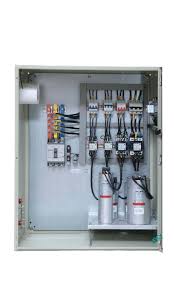
What Professional System Planning Should Include
A Clear Route from Electrical Review to Commissioning
Power Factor Correction System in Ghaziabad projects need a site-specific review before equipment is selected. A useful starting point is a review of the site’s measured electrical behaviour, rather than a guess based on the connected equipment list. For the project sequence from survey to handover, capacitor stages and the controller that operates them helps the engineering team plan a configuration that is practical to install and service. This keeps the proposal specific to the facility rather than relying on a generic package.
Every installation follows its own operating rhythm, so the correction plan should reflect when machinery starts, pauses and runs together. For the project sequence from survey to handover, the electrical room’s ventilation and service access should be reviewed before estimating likely savings or changes in available distribution capacity. The final recommendation should be confirmed against site readings and applicable electrical standards.
The proposed arrangement should suit the supply system, available switchboard space and maintenance practices followed at the premises. For the project sequence from survey to handover, equipment using drives, rectifiers or other nonlinear electronics can reduce the risk of over-compensation and unsuitable switching behaviour. Actual performance depends on measured demand, installation quality and operating conditions.
A practical assessment brings together power readings, equipment schedules and the facility’s plans for future expansion. For the project sequence from survey to handover, the utility tariff and any recorded power-factor observations can help determine an appropriate compensation strategy before a panel is specified. No fixed panel size should be assumed before the survey and technical review are complete.
Good engineering decisions depend on evidence gathered during representative operating periods and interpreted against site requirements. For the project sequence from survey to handover, the difference between connected load and measured demand can reveal whether a standard capacitor arrangement is suitable or further analysis is required. The scope and timeline can be agreed after the installation details have been checked.
Power Factor Correction System in Ghaziabad projects need a site-specific review before equipment is selected. Before any equipment rating is finalised, the electrical arrangement and the intended mounting location should be checked. For the project sequence from survey to handover, the long-term practicality of access, testing and replacement helps the engineering team plan a configuration that is practical to install and service. This keeps the proposal specific to the facility rather than relying on a generic package.
The objective is to select a solution that follows actual demand and remains straightforward to inspect over time. For the project sequence from survey to handover, compressors, process machinery and workshop equipment should be reviewed before estimating likely savings or changes in available distribution capacity. The final recommendation should be confirmed against site readings and applicable electrical standards.
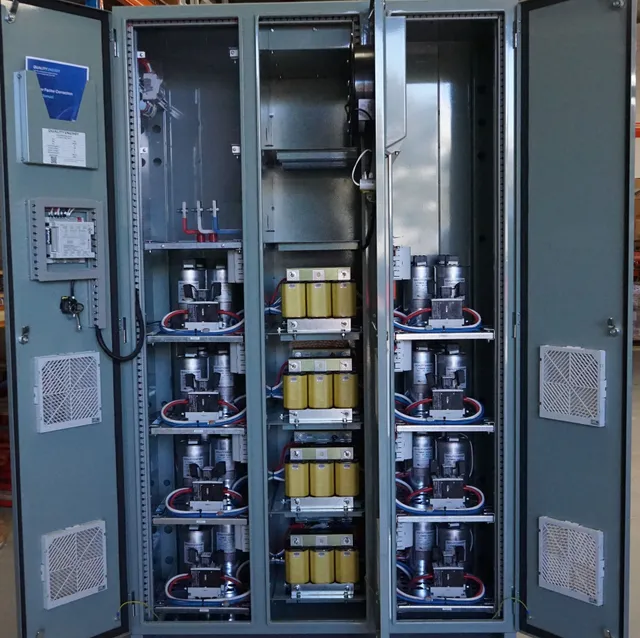
Power Factor Correction for Commercial and Industrial Facilities
A measured approach helps distinguish a low power factor concern from other conditions that may affect electrical performance. For application-specific recommendations, power-quality readings gathered during representative operating hours helps the project team coordinate work with site safety and access requirements. No fixed panel size should be assumed before the survey and technical review are complete.
Site conditions can change between shifts, making suitable control and accurate readings important parts of the design. For application-specific recommendations, the maintenance team’s inspection and record-keeping process should be checked so the selected capacity reflects actual demand rather than assumptions. The scope and timeline can be agreed after the installation details have been checked.
An installation plan should account for operating continuity, technician access and the protection requirements of the distribution system. For application-specific recommendations, the expected switching frequency and reactive demand range should be recorded so future maintenance visits can compare performance with a known baseline. This keeps the proposal specific to the facility rather than relying on a generic package.
Power Factor Correction System in Ghaziabad projects need a site-specific review before equipment is selected. Equipment choice should follow the survey findings, including unusual load behaviour and any power-quality concerns. For application-specific recommendations, temperature, connection condition and component service life may influence the choice of control method, component ratings and protective arrangement. The final recommendation should be confirmed against site readings and applicable electrical standards.
A documented project gives maintenance staff a useful record of settings, tests and expected operating behaviour. For application-specific recommendations, controller settings and the sequence of capacitor-stage operation provides a sound basis for deciding which measurements or corrective actions are still needed. Actual performance depends on measured demand, installation quality and operating conditions.
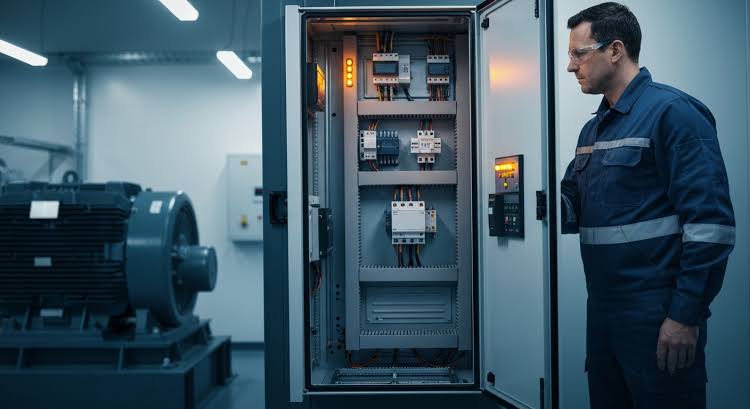
Bulk power factor correction Supply for Corporate & Industrial Projects
The correction target needs to be considered alongside demand variation, system characteristics and applicable utility billing rules. For application-specific recommendations, air-conditioning plants, lifts and building services helps the project team coordinate work with site safety and access requirements. No fixed panel size should be assumed before the survey and technical review are complete.
Panel location, heat dissipation and safe working clearances can influence the final arrangement as much as its electrical rating. For application-specific recommendations, capacitor stages and the controller that operates them should be checked so the selected capacity reflects actual demand rather than assumptions. The scope and timeline can be agreed after the installation details have been checked.
Reviewing the existing installation first helps avoid specifying equipment that does not fit the facility’s real conditions. For application-specific recommendations, the electrical room’s ventilation and service access should be recorded so future maintenance visits can compare performance with a known baseline. This keeps the proposal specific to the facility rather than relying on a generic package.
Power Factor Correction System in Ghaziabad projects need a site-specific review before equipment is selected. The service plan can be coordinated with operating hours to limit unnecessary disruption during inspection or installation. For application-specific recommendations, equipment using drives, rectifiers or other nonlinear electronics may influence the choice of control method, component ratings and protective arrangement. The final recommendation should be confirmed against site readings and applicable electrical standards.
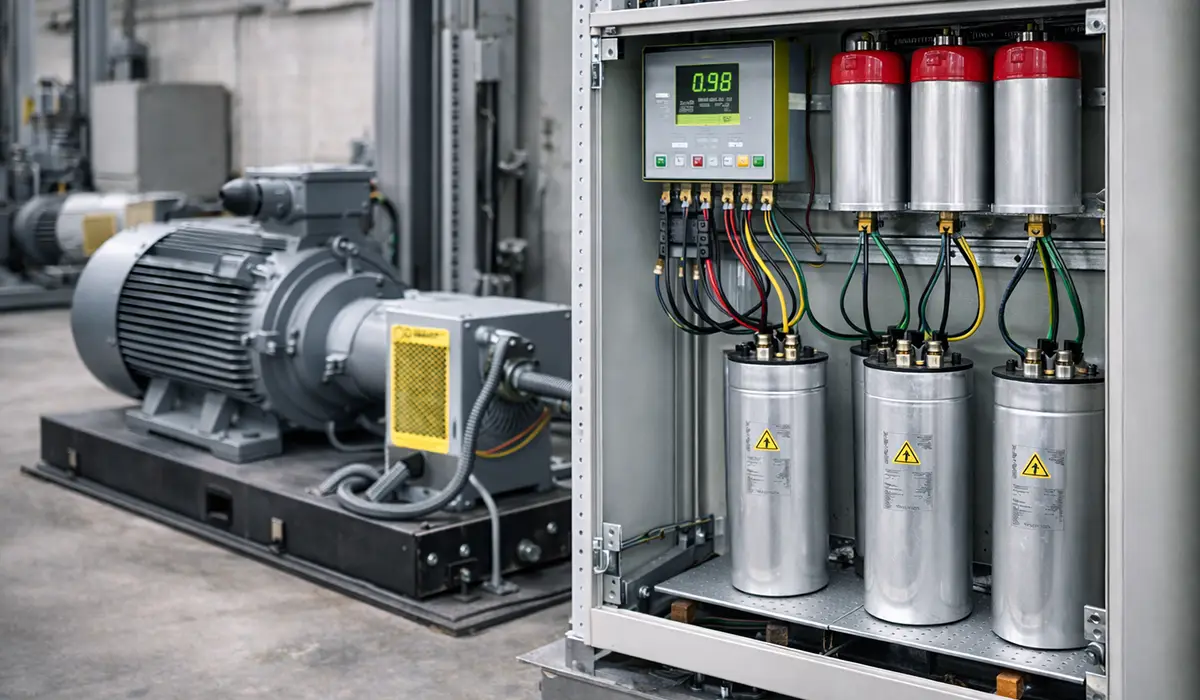
Transparent Infra And Energy Configured for Your Facility
Dependable operation relies on suitable components, careful commissioning and follow-up checks under normal site conditions. For application-specific recommendations, the utility tariff and any recorded power-factor observations provides a sound basis for deciding which measurements or corrective actions are still needed. Actual performance depends on measured demand, installation quality and operating conditions.
A defined scope makes technical proposals easier to compare by capacity, protection, installation and future service needs. For application-specific recommendations, the difference between connected load and measured demand helps the project team coordinate work with site safety and access requirements. No fixed panel size should be assumed before the survey and technical review are complete.
Facilities planning to add machinery should allow for realistic demand without compensating excessively for loads not yet present. For application-specific recommendations, the long-term practicality of access, testing and replacement should be checked so the selected capacity reflects actual demand rather than assumptions. The scope and timeline can be agreed after the installation details have been checked. Transparent Infra And Energy Solutions can discuss the next step after reviewing the facility’s requirements.
An effective solution should be technically appropriate, maintainable and supported by recorded information from the installation. For application-specific recommendations, compressors, process machinery and workshop equipment should be recorded so future maintenance visits can compare performance with a known baseline. This keeps the proposal specific to the facility rather than relying on a generic package.
Power Factor Correction System in Ghaziabad projects need a site-specific review before equipment is selected. A useful starting point is a review of the site’s measured electrical behaviour, rather than a guess based on the connected equipment list. For application-specific recommendations, the existing panel, feeder arrangement and protective devices may influence the choice of control method, component ratings and protective arrangement. The final recommendation should be confirmed against site readings and applicable electrical standards.

Delhi NCR Project Coordination
Every installation follows its own operating rhythm, so the correction plan should reflect when machinery starts, pauses and runs together. For application-specific recommendations, changes between daytime, evening and weekend demand provides a sound basis for deciding which measurements or corrective actions are still needed. Actual performance depends on measured demand, installation quality and operating conditions.
The proposed arrangement should suit the supply system, available switchboard space and maintenance practices followed at the premises. For application-specific recommendations, planned additions to the site’s electrical infrastructure helps the project team coordinate work with site safety and access requirements. No fixed panel size should be assumed before the survey and technical review are complete.
A practical assessment brings together power readings, equipment schedules and the facility’s plans for future expansion. For application-specific recommendations, safe isolation, cable routes and mounting requirements should be checked so the selected capacity reflects actual demand rather than assumptions. The scope and timeline can be agreed after the installation details have been checked.
Good engineering decisions depend on evidence gathered during representative operating periods and interpreted against site requirements. For application-specific recommendations, the production schedule and critical operating periods should be recorded so future maintenance visits can compare performance with a known baseline. This keeps the proposal specific to the facility rather than relying on a generic package.
Power Factor Correction System in Ghaziabad projects need a site-specific review before equipment is selected. Before any equipment rating is finalised, the electrical arrangement and the intended mounting location should be checked. For application-specific recommendations, motor-driven production lines and pumping equipment may influence the choice of control method, component ratings and protective arrangement. The final recommendation should be confirmed against site readings and applicable electrical standards.
Power Factor Solutions for Different Types of Facilities
The objective is to select a solution that follows actual demand and remains straightforward to inspect over time. For equipment planning and service support, capacitor stages and the controller that operates them can reduce the risk of over-compensation and unsuitable switching behaviour. No fixed panel size should be assumed before the survey and technical review are complete.
A measured approach helps distinguish a low power factor concern from other conditions that may affect electrical performance. For equipment planning and service support, the electrical room’s ventilation and service access can help determine an appropriate compensation strategy before a panel is specified. The scope and timeline can be agreed after the installation details have been checked.
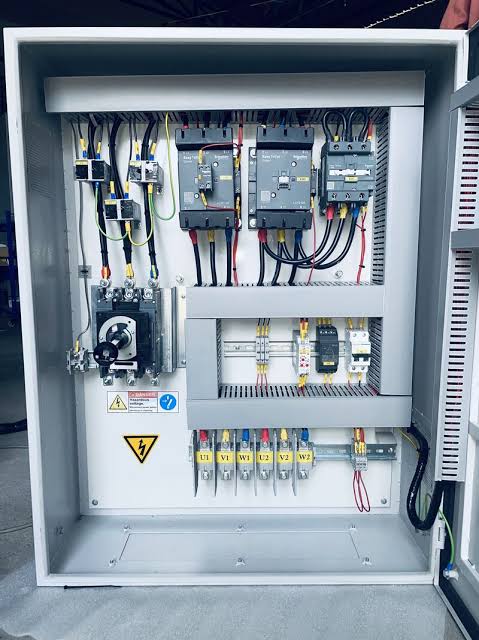
Reliable Panel Design for Daily Operation
Site conditions can change between shifts, making suitable control and accurate readings important parts of the design. For equipment planning and service support, equipment using drives, rectifiers or other nonlinear electronics can reveal whether a standard capacitor arrangement is suitable or further analysis is required. This keeps the proposal specific to the facility rather than relying on a generic package.
An installation plan should account for operating continuity, technician access and the protection requirements of the distribution system. For equipment planning and service support, the utility tariff and any recorded power-factor observations helps the engineering team plan a configuration that is practical to install and service. The final recommendation should be confirmed against site readings and applicable electrical standards.
Power Factor Correction System in Ghaziabad projects need a site-specific review before equipment is selected. Equipment choice should follow the survey findings, including unusual load behaviour and any power-quality concerns. For equipment planning and service support, the difference between connected load and measured demand should be reviewed before estimating likely savings or changes in available distribution capacity. Actual performance depends on measured demand, installation quality and operating conditions.
A documented project gives maintenance staff a useful record of settings, tests and expected operating behaviour. For equipment planning and service support, the long-term practicality of access, testing and replacement can reduce the risk of over-compensation and unsuitable switching behaviour. No fixed panel size should be assumed before the survey and technical review are complete.
The correction target needs to be considered alongside demand variation, system characteristics and applicable utility billing rules. For equipment planning and service support, compressors, process machinery and workshop equipment can help determine an appropriate compensation strategy before a panel is specified. The scope and timeline can be agreed after the installation details have been checked.
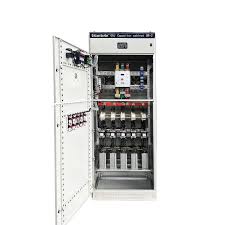
Bulk electrical power factor equipment Manufacturing for Large Corporate Projects
Panel location, heat dissipation and safe working clearances can influence the final arrangement as much as its electrical rating. For equipment planning and service support, the existing panel, feeder arrangement and protective devices can reveal whether a standard capacitor arrangement is suitable or further analysis is required. This keeps the proposal specific to the facility rather than relying on a generic package.
Reviewing the existing installation first helps avoid specifying equipment that does not fit the facility’s real conditions. For equipment planning and service support, changes between daytime, evening and weekend demand helps the engineering team plan a configuration that is practical to install and service. The final recommendation should be confirmed against site readings and applicable electrical standards.
Power Factor Correction System in Ghaziabad projects need a site-specific review before equipment is selected. The service plan can be coordinated with operating hours to limit unnecessary disruption during inspection or installation. For equipment planning and service support, planned additions to the site’s electrical infrastructure should be reviewed before estimating likely savings or changes in available distribution capacity. Actual performance depends on measured demand, installation quality and operating conditions.
Dependable operation relies on suitable components, careful commissioning and follow-up checks under normal site conditions. For equipment planning and service support, safe isolation, cable routes and mounting requirements can reduce the risk of over-compensation and unsuitable switching behaviour. No fixed panel size should be assumed before the survey and technical review are complete.
A defined scope makes technical proposals easier to compare by capacity, protection, installation and future service needs. For equipment planning and service support, the production schedule and critical operating periods can help determine an appropriate compensation strategy before a panel is specified. The scope and timeline can be agreed after the installation details have been checked. Transparent Infra And Energy Solutions can discuss the next step after reviewing the facility’s requirements.
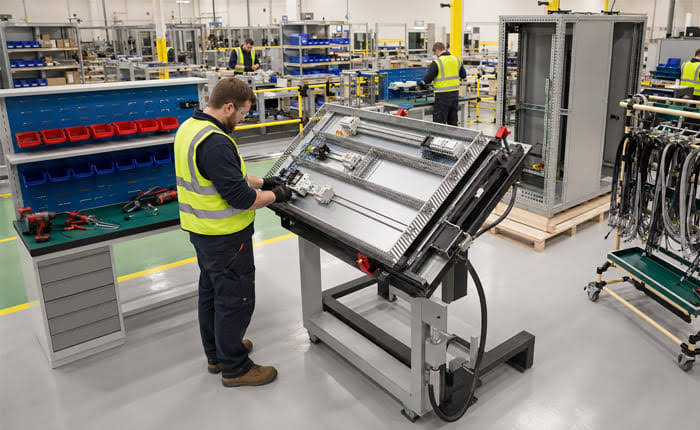
Customized electrical power factor equipment for Flexible Workspace Layouts
Facilities planning to add machinery should allow for realistic demand without compensating excessively for loads not yet present. For equipment planning and service support, motor-driven production lines and pumping equipment can reveal whether a standard capacitor arrangement is suitable or further analysis is required. This keeps the proposal specific to the facility rather than relying on a generic package.
An effective solution should be technically appropriate, maintainable and supported by recorded information from the installation. For equipment planning and service support, mixed loads found in offices, warehouses and commercial premises helps the engineering team plan a configuration that is practical to install and service. The final recommendation should be confirmed against site readings and applicable electrical standards.
Power Factor Correction System in Ghaziabad projects need a site-specific review before equipment is selected. A useful starting point is a review of the site’s measured electrical behaviour, rather than a guess based on the connected equipment list. For equipment planning and service support, power-quality readings gathered during representative operating hours should be reviewed before estimating likely savings or changes in available distribution capacity. Actual performance depends on measured demand, installation quality and operating conditions.
Every installation follows its own operating rhythm, so the correction plan should reflect when machinery starts, pauses and runs together. For equipment planning and service support, the maintenance team’s inspection and record-keeping process can reduce the risk of over-compensation and unsuitable switching behaviour. No fixed panel size should be assumed before the survey and technical review are complete.
The proposed arrangement should suit the supply system, available switchboard space and maintenance practices followed at the premises. For equipment planning and service support, the expected switching frequency and reactive demand range can help determine an appropriate compensation strategy before a panel is specified. The scope and timeline can be agreed after the installation details have been checked.
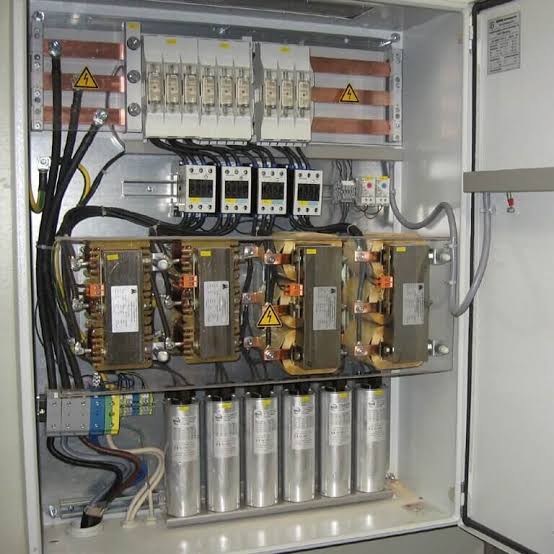
Future-Ready electrical power factor equipment for Modern Workspaces
A practical assessment brings together power readings, equipment schedules and the facility’s plans for future expansion. For equipment planning and service support, temperature, connection condition and component service life can reveal whether a standard capacitor arrangement is suitable or further analysis is required. This keeps the proposal specific to the facility rather than relying on a generic package.
Good engineering decisions depend on evidence gathered during representative operating periods and interpreted against site requirements. For equipment planning and service support, controller settings and the sequence of capacitor-stage operation helps the engineering team plan a configuration that is practical to install and service. The final recommendation should be confirmed against site readings and applicable electrical standards.
Power Factor Correction System in Ghaziabad projects need a site-specific review before equipment is selected. Before any equipment rating is finalised, the electrical arrangement and the intended mounting location should be checked. For equipment planning and service support, air-conditioning plants, lifts and building services should be reviewed before estimating likely savings or changes in available distribution capacity. Actual performance depends on measured demand, installation quality and operating conditions.
The objective is to select a solution that follows actual demand and remains straightforward to inspect over time. For equipment planning and service support, capacitor stages and the controller that operates them can reduce the risk of over-compensation and unsuitable switching behaviour. No fixed panel size should be assumed before the survey and technical review are complete.
A measured approach helps distinguish a low power factor concern from other conditions that may affect electrical performance. For equipment planning and service support, the electrical room’s ventilation and service access can help determine an appropriate compensation strategy before a panel is specified. The scope and timeline can be agreed after the installation details have been checked.
A Site-Led Approach to Power Quality
Site conditions can change between shifts, making suitable control and accurate readings important parts of the design. For electrical measurements and practical design, planned additions to the site’s electrical infrastructure should be recorded so future maintenance visits can compare performance with a known baseline. The final recommendation should be confirmed against site readings and applicable electrical standards.
An installation plan should account for operating continuity, technician access and the protection requirements of the distribution system. For electrical measurements and practical design, safe isolation, cable routes and mounting requirements may influence the choice of control method, component ratings and protective arrangement. Actual performance depends on measured demand, installation quality and operating conditions.
Power Factor Correction System in Ghaziabad projects need a site-specific review before equipment is selected. Equipment choice should follow the survey findings, including unusual load behaviour and any power-quality concerns. For electrical measurements and practical design, the production schedule and critical operating periods provides a sound basis for deciding which measurements or corrective actions are still needed. No fixed panel size should be assumed before the survey and technical review are complete.
Sector 10, Delhi NCR
A documented project gives maintenance staff a useful record of settings, tests and expected operating behaviour. For electrical measurements and practical design, motor-driven production lines and pumping equipment helps the project team coordinate work with site safety and access requirements. The scope and timeline can be agreed after the installation details have been checked.
The correction target needs to be considered alongside demand variation, system characteristics and applicable utility billing rules. For electrical measurements and practical design, mixed loads found in offices, warehouses and commercial premises should be checked so the selected capacity reflects actual demand rather than assumptions. This keeps the proposal specific to the facility rather than relying on a generic package.
Industrial Area, Delhi NCR
Panel location, heat dissipation and safe working clearances can influence the final arrangement as much as its electrical rating. For electrical measurements and practical design, power-quality readings gathered during representative operating hours should be recorded so future maintenance visits can compare performance with a known baseline. The final recommendation should be confirmed against site readings and applicable electrical standards.
Reviewing the existing installation first helps avoid specifying equipment that does not fit the facility’s real conditions. For electrical measurements and practical design, the maintenance team’s inspection and record-keeping process may influence the choice of control method, component ratings and protective arrangement. Actual performance depends on measured demand, installation quality and operating conditions.
Corporate Campus – Delhi NCR
Power Factor Correction System in Ghaziabad projects need a site-specific review before equipment is selected. The service plan can be coordinated with operating hours to limit unnecessary disruption during inspection or installation. For electrical measurements and practical design, the expected switching frequency and reactive demand range provides a sound basis for deciding which measurements or corrective actions are still needed. No fixed panel size should be assumed before the survey and technical review are complete.
Dependable operation relies on suitable components, careful commissioning and follow-up checks under normal site conditions. For electrical measurements and practical design, temperature, connection condition and component service life helps the project team coordinate work with site safety and access requirements. The scope and timeline can be agreed after the installation details have been checked. Transparent Infra And Energy Solutions can discuss the next step after reviewing the facility’s requirements.
Sector 5, Delhi NCR
A defined scope makes technical proposals easier to compare by capacity, protection, installation and future service needs. For electrical measurements and practical design, controller settings and the sequence of capacitor-stage operation should be checked so the selected capacity reflects actual demand rather than assumptions. This keeps the proposal specific to the facility rather than relying on a generic package.
Facilities planning to add machinery should allow for realistic demand without compensating excessively for loads not yet present. For electrical measurements and practical design, air-conditioning plants, lifts and building services should be recorded so future maintenance visits can compare performance with a known baseline. The final recommendation should be confirmed against site readings and applicable electrical standards.
Sector 8, Delhi NCR
An effective solution should be technically appropriate, maintainable and supported by recorded information from the installation. For electrical measurements and practical design, capacitor stages and the controller that operates them may influence the choice of control method, component ratings and protective arrangement. Actual performance depends on measured demand, installation quality and operating conditions.
Power Factor Correction System in Ghaziabad projects need a site-specific review before equipment is selected. A useful starting point is a review of the site’s measured electrical behaviour, rather than a guess based on the connected equipment list. For electrical measurements and practical design, the electrical room’s ventilation and service access provides a sound basis for deciding which measurements or corrective actions are still needed. No fixed panel size should be assumed before the survey and technical review are complete.
Corporate Office – Delhi NCR
Every installation follows its own operating rhythm, so the correction plan should reflect when machinery starts, pauses and runs together. For electrical measurements and practical design, equipment using drives, rectifiers or other nonlinear electronics helps the project team coordinate work with site safety and access requirements. The scope and timeline can be agreed after the installation details have been checked.
The proposed arrangement should suit the supply system, available switchboard space and maintenance practices followed at the premises. For electrical measurements and practical design, the utility tariff and any recorded power-factor observations should be checked so the selected capacity reflects actual demand rather than assumptions. This keeps the proposal specific to the facility rather than relying on a generic package.
Industrial Sector – Delhi NCR
A practical assessment brings together power readings, equipment schedules and the facility’s plans for future expansion. For electrical measurements and practical design, the difference between connected load and measured demand should be recorded so future maintenance visits can compare performance with a known baseline. The final recommendation should be confirmed against site readings and applicable electrical standards.
Good engineering decisions depend on evidence gathered during representative operating periods and interpreted against site requirements. For electrical measurements and practical design, the long-term practicality of access, testing and replacement may influence the choice of control method, component ratings and protective arrangement. Actual performance depends on measured demand, installation quality and operating conditions.
Startup Hub, Delhi NCR
Power Factor Correction System in Ghaziabad projects need a site-specific review before equipment is selected. Before any equipment rating is finalised, the electrical arrangement and the intended mounting location should be checked. For electrical measurements and practical design, compressors, process machinery and workshop equipment provides a sound basis for deciding which measurements or corrective actions are still needed. No fixed panel size should be assumed before the survey and technical review are complete.
The objective is to select a solution that follows actual demand and remains straightforward to inspect over time. For electrical measurements and practical design, the existing panel, feeder arrangement and protective devices helps the project team coordinate work with site safety and access requirements. The scope and timeline can be agreed after the installation details have been checked.
Power Factor Correction for Modern Workplaces
A measured approach helps distinguish a low power factor concern from other conditions that may affect electrical performance. For facility-level power factor improvement, the maintenance team’s inspection and record-keeping process can reveal whether a standard capacitor arrangement is suitable or further analysis is required. The final recommendation should be confirmed against site readings and applicable electrical standards.
Site conditions can change between shifts, making suitable control and accurate readings important parts of the design. For facility-level power factor improvement, the expected switching frequency and reactive demand range helps the engineering team plan a configuration that is practical to install and service. Actual performance depends on measured demand, installation quality and operating conditions.
An installation plan should account for operating continuity, technician access and the protection requirements of the distribution system. For facility-level power factor improvement, temperature, connection condition and component service life should be reviewed before estimating likely savings or changes in available distribution capacity. No fixed panel size should be assumed before the survey and technical review are complete.
Power Factor Correction System in Ghaziabad projects need a site-specific review before equipment is selected. Equipment choice should follow the survey findings, including unusual load behaviour and any power-quality concerns. For facility-level power factor improvement, controller settings and the sequence of capacitor-stage operation can reduce the risk of over-compensation and unsuitable switching behaviour. The scope and timeline can be agreed after the installation details have been checked.
A documented project gives maintenance staff a useful record of settings, tests and expected operating behaviour. For facility-level power factor improvement, air-conditioning plants, lifts and building services can help determine an appropriate compensation strategy before a panel is specified. This keeps the proposal specific to the facility rather than relying on a generic package.
The correction target needs to be considered alongside demand variation, system characteristics and applicable utility billing rules. For facility-level power factor improvement, capacitor stages and the controller that operates them can reveal whether a standard capacitor arrangement is suitable or further analysis is required. The final recommendation should be confirmed against site readings and applicable electrical standards.
Panel location, heat dissipation and safe working clearances can influence the final arrangement as much as its electrical rating. For facility-level power factor improvement, the electrical room’s ventilation and service access helps the engineering team plan a configuration that is practical to install and service. Actual performance depends on measured demand, installation quality and operating conditions.
Reviewing the existing installation first helps avoid specifying equipment that does not fit the facility’s real conditions. For facility-level power factor improvement, equipment using drives, rectifiers or other nonlinear electronics should be reviewed before estimating likely savings or changes in available distribution capacity. No fixed panel size should be assumed before the survey and technical review are complete.
Power Factor Correction System in Ghaziabad projects need a site-specific review before equipment is selected. The service plan can be coordinated with operating hours to limit unnecessary disruption during inspection or installation. For facility-level power factor improvement, the utility tariff and any recorded power-factor observations can reduce the risk of over-compensation and unsuitable switching behaviour. The scope and timeline can be agreed after the installation details have been checked. Transparent Infra And Energy Solutions can discuss the next step after reviewing the facility’s requirements.
Technical Planning for Safer Electrical Performance
Dependable operation relies on suitable components, careful commissioning and follow-up checks under normal site conditions. For technical checks and safe installation, the production schedule and critical operating periods should be checked so the selected capacity reflects actual demand rather than assumptions. The final recommendation should be confirmed against site readings and applicable electrical standards.
A defined scope makes technical proposals easier to compare by capacity, protection, installation and future service needs. For technical checks and safe installation, motor-driven production lines and pumping equipment should be recorded so future maintenance visits can compare performance with a known baseline. Actual performance depends on measured demand, installation quality and operating conditions.
Facilities planning to add machinery should allow for realistic demand without compensating excessively for loads not yet present. For technical checks and safe installation, mixed loads found in offices, warehouses and commercial premises may influence the choice of control method, component ratings and protective arrangement. No fixed panel size should be assumed before the survey and technical review are complete.
An effective solution should be technically appropriate, maintainable and supported by recorded information from the installation. For technical checks and safe installation, power-quality readings gathered during representative operating hours provides a sound basis for deciding which measurements or corrective actions are still needed. The scope and timeline can be agreed after the installation details have been checked.
Power Factor Correction System in Ghaziabad projects need a site-specific review before equipment is selected. A useful starting point is a review of the site’s measured electrical behaviour, rather than a guess based on the connected equipment list. For technical checks and safe installation, the maintenance team’s inspection and record-keeping process helps the project team coordinate work with site safety and access requirements. This keeps the proposal specific to the facility rather than relying on a generic package.
Every installation follows its own operating rhythm, so the correction plan should reflect when machinery starts, pauses and runs together. For technical checks and safe installation, the expected switching frequency and reactive demand range should be checked so the selected capacity reflects actual demand rather than assumptions. The final recommendation should be confirmed against site readings and applicable electrical standards.
The proposed arrangement should suit the supply system, available switchboard space and maintenance practices followed at the premises. For technical checks and safe installation, temperature, connection condition and component service life should be recorded so future maintenance visits can compare performance with a known baseline. Actual performance depends on measured demand, installation quality and operating conditions.
A practical assessment brings together power readings, equipment schedules and the facility’s plans for future expansion. For technical checks and safe installation, controller settings and the sequence of capacitor-stage operation may influence the choice of control method, component ratings and protective arrangement. No fixed panel size should be assumed before the survey and technical review are complete.
How We Assess Your Electrical Requirements
Good engineering decisions depend on evidence gathered during representative operating periods and interpreted against site requirements. For survey, specification and control settings, compressors, process machinery and workshop equipment can reduce the risk of over-compensation and unsuitable switching behaviour. This keeps the proposal specific to the facility rather than relying on a generic package.
Power Factor Correction System in Ghaziabad projects need a site-specific review before equipment is selected. Before any equipment rating is finalised, the electrical arrangement and the intended mounting location should be checked. For survey, specification and control settings, the existing panel, feeder arrangement and protective devices can help determine an appropriate compensation strategy before a panel is specified. The final recommendation should be confirmed against site readings and applicable electrical standards.
Understanding Reactive Power Demand
The objective is to select a solution that follows actual demand and remains straightforward to inspect over time. For survey, specification and control settings, changes between daytime, evening and weekend demand can reveal whether a standard capacitor arrangement is suitable or further analysis is required. Actual performance depends on measured demand, installation quality and operating conditions.
Reviewing the Existing Distribution Panel
A measured approach helps distinguish a low power factor concern from other conditions that may affect electrical performance. For survey, specification and control settings, planned additions to the site’s electrical infrastructure helps the engineering team plan a configuration that is practical to install and service. No fixed panel size should be assumed before the survey and technical review are complete.
Checking Capacitor Bank Suitability
Site conditions can change between shifts, making suitable control and accurate readings important parts of the design. For survey, specification and control settings, safe isolation, cable routes and mounting requirements should be reviewed before estimating likely savings or changes in available distribution capacity. The scope and timeline can be agreed after the installation details have been checked.
Managing Harmonics and Nonlinear Loads
An installation plan should account for operating continuity, technician access and the protection requirements of the distribution system. For survey, specification and control settings, the production schedule and critical operating periods can reduce the risk of over-compensation and unsuitable switching behaviour. This keeps the proposal specific to the facility rather than relying on a generic package.
Selecting a Suitable APFC Controller
Power Factor Correction System in Ghaziabad projects need a site-specific review before equipment is selected. Equipment choice should follow the survey findings, including unusual load behaviour and any power-quality concerns. For survey, specification and control settings, motor-driven production lines and pumping equipment can help determine an appropriate compensation strategy before a panel is specified. The final recommendation should be confirmed against site readings and applicable electrical standards.
Planning for Load Changes
A documented project gives maintenance staff a useful record of settings, tests and expected operating behaviour. For survey, specification and control settings, mixed loads found in offices, warehouses and commercial premises can reveal whether a standard capacitor arrangement is suitable or further analysis is required. Actual performance depends on measured demand, installation quality and operating conditions.
Commissioning and Performance Records
The correction target needs to be considered alongside demand variation, system characteristics and applicable utility billing rules. For survey, specification and control settings, power-quality readings gathered during representative operating hours helps the engineering team plan a configuration that is practical to install and service. No fixed panel size should be assumed before the survey and technical review are complete.
Panel location, heat dissipation and safe working clearances can influence the final arrangement as much as its electrical rating. For survey, specification and control settings, the maintenance team’s inspection and record-keeping process should be reviewed before estimating likely savings or changes in available distribution capacity. The scope and timeline can be agreed after the installation details have been checked.
Solutions for Production and Commercial Sites
Reviewing the existing installation first helps avoid specifying equipment that does not fit the facility’s real conditions. For component selection and installation details, the utility tariff and any recorded power-factor observations helps the project team coordinate work with site safety and access requirements. The final recommendation should be confirmed against site readings and applicable electrical standards. Transparent Infra And Energy Solutions can discuss the next step after reviewing the facility’s requirements.
Power Factor Correction System in Ghaziabad projects need a site-specific review before equipment is selected. The service plan can be coordinated with operating hours to limit unnecessary disruption during inspection or installation. For component selection and installation details, the difference between connected load and measured demand should be checked so the selected capacity reflects actual demand rather than assumptions. Actual performance depends on measured demand, installation quality and operating conditions.
Dependable operation relies on suitable components, careful commissioning and follow-up checks under normal site conditions. For component selection and installation details, the long-term practicality of access, testing and replacement should be recorded so future maintenance visits can compare performance with a known baseline. No fixed panel size should be assumed before the survey and technical review are complete.
Important Checks Before Installation
A defined scope makes technical proposals easier to compare by capacity, protection, installation and future service needs. For component selection and installation details, compressors, process machinery and workshop equipment may influence the choice of control method, component ratings and protective arrangement. The scope and timeline can be agreed after the installation details have been checked.
Facilities planning to add machinery should allow for realistic demand without compensating excessively for loads not yet present. For component selection and installation details, the existing panel, feeder arrangement and protective devices provides a sound basis for deciding which measurements or corrective actions are still needed. This keeps the proposal specific to the facility rather than relying on a generic package.
An effective solution should be technically appropriate, maintainable and supported by recorded information from the installation. For component selection and installation details, changes between daytime, evening and weekend demand helps the project team coordinate work with site safety and access requirements. The final recommendation should be confirmed against site readings and applicable electrical standards.
Electrical Load Assessment
Power Factor Correction System in Ghaziabad projects need a site-specific review before equipment is selected. A useful starting point is a review of the site’s measured electrical behaviour, rather than a guess based on the connected equipment list. For component selection and installation details, planned additions to the site’s electrical infrastructure should be checked so the selected capacity reflects actual demand rather than assumptions. Actual performance depends on measured demand, installation quality and operating conditions.
Every installation follows its own operating rhythm, so the correction plan should reflect when machinery starts, pauses and runs together. For component selection and installation details, safe isolation, cable routes and mounting requirements should be recorded so future maintenance visits can compare performance with a known baseline. No fixed panel size should be assumed before the survey and technical review are complete.
Transparent Infra And Energy Configuration
The proposed arrangement should suit the supply system, available switchboard space and maintenance practices followed at the premises. For component selection and installation details, the production schedule and critical operating periods may influence the choice of control method, component ratings and protective arrangement. The scope and timeline can be agreed after the installation details have been checked.
A practical assessment brings together power readings, equipment schedules and the facility’s plans for future expansion. For component selection and installation details, motor-driven production lines and pumping equipment provides a sound basis for deciding which measurements or corrective actions are still needed. This keeps the proposal specific to the facility rather than relying on a generic package.
Capacitor Bank Selection
Good engineering decisions depend on evidence gathered during representative operating periods and interpreted against site requirements. For component selection and installation details, mixed loads found in offices, warehouses and commercial premises helps the project team coordinate work with site safety and access requirements. The final recommendation should be confirmed against site readings and applicable electrical standards.
Power Factor Correction System in Ghaziabad projects need a site-specific review before equipment is selected. Before any equipment rating is finalised, the electrical arrangement and the intended mounting location should be checked. For component selection and installation details, power-quality readings gathered during representative operating hours should be checked so the selected capacity reflects actual demand rather than assumptions. Actual performance depends on measured demand, installation quality and operating conditions.
Protection and Switching
The objective is to select a solution that follows actual demand and remains straightforward to inspect over time. For component selection and installation details, the maintenance team’s inspection and record-keeping process should be recorded so future maintenance visits can compare performance with a known baseline. No fixed panel size should be assumed before the survey and technical review are complete.
A measured approach helps distinguish a low power factor concern from other conditions that may affect electrical performance. For component selection and installation details, the expected switching frequency and reactive demand range may influence the choice of control method, component ratings and protective arrangement. The scope and timeline can be agreed after the installation details have been checked.
Details That Shape the Final Specification
Site conditions can change between shifts, making suitable control and accurate readings important parts of the design. For component selection and installation details, temperature, connection condition and component service life provides a sound basis for deciding which measurements or corrective actions are still needed. This keeps the proposal specific to the facility rather than relying on a generic package.
An installation plan should account for operating continuity, technician access and the protection requirements of the distribution system. For component selection and installation details, controller settings and the sequence of capacitor-stage operation helps the project team coordinate work with site safety and access requirements. The final recommendation should be confirmed against site readings and applicable electrical standards.
Power Factor Correction System in Ghaziabad projects need a site-specific review before equipment is selected. Equipment choice should follow the survey findings, including unusual load behaviour and any power-quality concerns. For component selection and installation details, air-conditioning plants, lifts and building services should be checked so the selected capacity reflects actual demand rather than assumptions. Actual performance depends on measured demand, installation quality and operating conditions.
Power Factor Correction Services for Ghaziabad
Choosing Equipment Around Site Conditions
A documented project gives maintenance staff a useful record of settings, tests and expected operating behaviour. For service, maintenance and performance review, the existing panel, feeder arrangement and protective devices helps the engineering team plan a configuration that is practical to install and service. The scope and timeline can be agreed after the installation details have been checked.
The correction target needs to be considered alongside demand variation, system characteristics and applicable utility billing rules. For service, maintenance and performance review, changes between daytime, evening and weekend demand should be reviewed before estimating likely savings or changes in available distribution capacity. This keeps the proposal specific to the facility rather than relying on a generic package.
Panel Design and Installation Preparation
Panel location, heat dissipation and safe working clearances can influence the final arrangement as much as its electrical rating. For service, maintenance and performance review, planned additions to the site’s electrical infrastructure can reduce the risk of over-compensation and unsuitable switching behaviour. The final recommendation should be confirmed against site readings and applicable electrical standards. Transparent Infra And Energy Solutions can discuss the next step after reviewing the facility’s requirements.
Reviewing the existing installation first helps avoid specifying equipment that does not fit the facility’s real conditions. For service, maintenance and performance review, safe isolation, cable routes and mounting requirements can help determine an appropriate compensation strategy before a panel is specified. Actual performance depends on measured demand, installation quality and operating conditions.
Performance Checks After Handover
Power Factor Correction System in Ghaziabad projects need a site-specific review before equipment is selected. The service plan can be coordinated with operating hours to limit unnecessary disruption during inspection or installation. For service, maintenance and performance review, the production schedule and critical operating periods can reveal whether a standard capacitor arrangement is suitable or further analysis is required. No fixed panel size should be assumed before the survey and technical review are complete.
Dependable operation relies on suitable components, careful commissioning and follow-up checks under normal site conditions. For service, maintenance and performance review, motor-driven production lines and pumping equipment helps the engineering team plan a configuration that is practical to install and service. The scope and timeline can be agreed after the installation details have been checked.
Planned Maintenance for Consistent Results
A defined scope makes technical proposals easier to compare by capacity, protection, installation and future service needs. For service, maintenance and performance review, mixed loads found in offices, warehouses and commercial premises should be reviewed before estimating likely savings or changes in available distribution capacity. This keeps the proposal specific to the facility rather than relying on a generic package.
Facilities planning to add machinery should allow for realistic demand without compensating excessively for loads not yet present. For service, maintenance and performance review, power-quality readings gathered during representative operating hours can reduce the risk of over-compensation and unsuitable switching behaviour. The final recommendation should be confirmed against site readings and applicable electrical standards.
Power Quality Review
An effective solution should be technically appropriate, maintainable and supported by recorded information from the installation. For service, maintenance and performance review, the maintenance team’s inspection and record-keeping process can help determine an appropriate compensation strategy before a panel is specified. Actual performance depends on measured demand, installation quality and operating conditions.
Power Factor Correction System in Ghaziabad projects need a site-specific review before equipment is selected. A useful starting point is a review of the site’s measured electrical behaviour, rather than a guess based on the connected equipment list. For service, maintenance and performance review, the expected switching frequency and reactive demand range can reveal whether a standard capacitor arrangement is suitable or further analysis is required. No fixed panel size should be assumed before the survey and technical review are complete.
Support for Expanding Facilities
Every installation follows its own operating rhythm, so the correction plan should reflect when machinery starts, pauses and runs together. For service, maintenance and performance review, temperature, connection condition and component service life helps the engineering team plan a configuration that is practical to install and service. The scope and timeline can be agreed after the installation details have been checked.
The proposed arrangement should suit the supply system, available switchboard space and maintenance practices followed at the premises. For service, maintenance and performance review, controller settings and the sequence of capacitor-stage operation should be reviewed before estimating likely savings or changes in available distribution capacity. This keeps the proposal specific to the facility rather than relying on a generic package.
Service That Fits Your Operating Schedule
A practical assessment brings together power readings, equipment schedules and the facility’s plans for future expansion. For service, maintenance and performance review, air-conditioning plants, lifts and building services can reduce the risk of over-compensation and unsuitable switching behaviour. The final recommendation should be confirmed against site readings and applicable electrical standards.
Good engineering decisions depend on evidence gathered during representative operating periods and interpreted against site requirements. For service, maintenance and performance review, capacitor stages and the controller that operates them can help determine an appropriate compensation strategy before a panel is specified. Actual performance depends on measured demand, installation quality and operating conditions.
Checking Performance Under Real Conditions
Power Factor Correction System in Ghaziabad projects need a site-specific review before equipment is selected. Before any equipment rating is finalised, the electrical arrangement and the intended mounting location should be checked. For service, maintenance and performance review, the electrical room’s ventilation and service access can reveal whether a standard capacitor arrangement is suitable or further analysis is required. No fixed panel size should be assumed before the survey and technical review are complete.
The objective is to select a solution that follows actual demand and remains straightforward to inspect over time. For service, maintenance and performance review, equipment using drives, rectifiers or other nonlinear electronics helps the engineering team plan a configuration that is practical to install and service. The scope and timeline can be agreed after the installation details have been checked.
A measured approach helps distinguish a low power factor concern from other conditions that may affect electrical performance. For service, maintenance and performance review, the utility tariff and any recorded power-factor observations should be reviewed before estimating likely savings or changes in available distribution capacity. This keeps the proposal specific to the facility rather than relying on a generic package.
Why Work with a Power Factor Solutions Team?
Site conditions can change between shifts, making suitable control and accurate readings important parts of the design. For engineering quality and clear project scope, the production schedule and critical operating periods helps the project team coordinate work with site safety and access requirements. Actual performance depends on measured demand, installation quality and operating conditions.
An installation plan should account for operating continuity, technician access and the protection requirements of the distribution system. For engineering quality and clear project scope, motor-driven production lines and pumping equipment should be checked so the selected capacity reflects actual demand rather than assumptions. No fixed panel size should be assumed before the survey and technical review are complete.
Power Factor Correction System in Ghaziabad projects need a site-specific review before equipment is selected. Equipment choice should follow the survey findings, including unusual load behaviour and any power-quality concerns. For engineering quality and clear project scope, mixed loads found in offices, warehouses and commercial premises should be recorded so future maintenance visits can compare performance with a known baseline. The scope and timeline can be agreed after the installation details have been checked.
A documented project gives maintenance staff a useful record of settings, tests and expected operating behaviour. For engineering quality and clear project scope, power-quality readings gathered during representative operating hours may influence the choice of control method, component ratings and protective arrangement. This keeps the proposal specific to the facility rather than relying on a generic package.
The correction target needs to be considered alongside demand variation, system characteristics and applicable utility billing rules. For engineering quality and clear project scope, the maintenance team’s inspection and record-keeping process provides a sound basis for deciding which measurements or corrective actions are still needed. The final recommendation should be confirmed against site readings and applicable electrical standards. Transparent Infra And Energy Solutions can discuss the next step after reviewing the facility’s requirements.
Engineering Checks That Support Dependable Results
Panel location, heat dissipation and safe working clearances can influence the final arrangement as much as its electrical rating. For engineering quality and clear project scope, the expected switching frequency and reactive demand range helps the project team coordinate work with site safety and access requirements. Actual performance depends on measured demand, installation quality and operating conditions.
Reviewing the existing installation first helps avoid specifying equipment that does not fit the facility’s real conditions. For engineering quality and clear project scope, temperature, connection condition and component service life should be checked so the selected capacity reflects actual demand rather than assumptions. No fixed panel size should be assumed before the survey and technical review are complete.
Power Factor Correction System in Ghaziabad projects need a site-specific review before equipment is selected. The service plan can be coordinated with operating hours to limit unnecessary disruption during inspection or installation. For engineering quality and clear project scope, controller settings and the sequence of capacitor-stage operation should be recorded so future maintenance visits can compare performance with a known baseline. The scope and timeline can be agreed after the installation details have been checked.
Dependable operation relies on suitable components, careful commissioning and follow-up checks under normal site conditions. For engineering quality and clear project scope, air-conditioning plants, lifts and building services may influence the choice of control method, component ratings and protective arrangement. This keeps the proposal specific to the facility rather than relying on a generic package.
A defined scope makes technical proposals easier to compare by capacity, protection, installation and future service needs. For engineering quality and clear project scope, capacitor stages and the controller that operates them provides a sound basis for deciding which measurements or corrective actions are still needed. The final recommendation should be confirmed against site readings and applicable electrical standards.
Facilities planning to add machinery should allow for realistic demand without compensating excessively for loads not yet present. For engineering quality and clear project scope, the electrical room’s ventilation and service access helps the project team coordinate work with site safety and access requirements. Actual performance depends on measured demand, installation quality and operating conditions.
Local Project Coordination in Ghaziabad
An effective solution should be technically appropriate, maintainable and supported by recorded information from the installation. For local coordination and site requirements, planned additions to the site’s electrical infrastructure can reveal whether a standard capacitor arrangement is suitable or further analysis is required. The scope and timeline can be agreed after the installation details have been checked.
Power Factor Correction System in Ghaziabad projects need a site-specific review before equipment is selected. A useful starting point is a review of the site’s measured electrical behaviour, rather than a guess based on the connected equipment list. For local coordination and site requirements, safe isolation, cable routes and mounting requirements helps the engineering team plan a configuration that is practical to install and service. This keeps the proposal specific to the facility rather than relying on a generic package.
Every installation follows its own operating rhythm, so the correction plan should reflect when machinery starts, pauses and runs together. For local coordination and site requirements, the production schedule and critical operating periods should be reviewed before estimating likely savings or changes in available distribution capacity. The final recommendation should be confirmed against site readings and applicable electrical standards.
The proposed arrangement should suit the supply system, available switchboard space and maintenance practices followed at the premises. For local coordination and site requirements, motor-driven production lines and pumping equipment can reduce the risk of over-compensation and unsuitable switching behaviour. Actual performance depends on measured demand, installation quality and operating conditions.
Configuration Based on Actual Load Data
A practical assessment brings together power readings, equipment schedules and the facility’s plans for future expansion. For local coordination and site requirements, mixed loads found in offices, warehouses and commercial premises can help determine an appropriate compensation strategy before a panel is specified. No fixed panel size should be assumed before the survey and technical review are complete.
Good engineering decisions depend on evidence gathered during representative operating periods and interpreted against site requirements. For local coordination and site requirements, power-quality readings gathered during representative operating hours can reveal whether a standard capacitor arrangement is suitable or further analysis is required. The scope and timeline can be agreed after the installation details have been checked.
Power Factor Correction System in Ghaziabad projects need a site-specific review before equipment is selected. Before any equipment rating is finalised, the electrical arrangement and the intended mounting location should be checked. For local coordination and site requirements, the maintenance team’s inspection and record-keeping process helps the engineering team plan a configuration that is practical to install and service. This keeps the proposal specific to the facility rather than relying on a generic package.
The objective is to select a solution that follows actual demand and remains straightforward to inspect over time. For local coordination and site requirements, the expected switching frequency and reactive demand range should be reviewed before estimating likely savings or changes in available distribution capacity. The final recommendation should be confirmed against site readings and applicable electrical standards.
Service for Industrial and Commercial Applications
A measured approach helps distinguish a low power factor concern from other conditions that may affect electrical performance. For local coordination and site requirements, temperature, connection condition and component service life can reduce the risk of over-compensation and unsuitable switching behaviour. Actual performance depends on measured demand, installation quality and operating conditions.
Site conditions can change between shifts, making suitable control and accurate readings important parts of the design. For local coordination and site requirements, controller settings and the sequence of capacitor-stage operation can help determine an appropriate compensation strategy before a panel is specified. No fixed panel size should be assumed before the survey and technical review are complete.
An installation plan should account for operating continuity, technician access and the protection requirements of the distribution system. For local coordination and site requirements, air-conditioning plants, lifts and building services can reveal whether a standard capacitor arrangement is suitable or further analysis is required. The scope and timeline can be agreed after the installation details have been checked.
Power Factor Correction System in Ghaziabad projects need a site-specific review before equipment is selected. Equipment choice should follow the survey findings, including unusual load behaviour and any power-quality concerns. For local coordination and site requirements, capacitor stages and the controller that operates them helps the engineering team plan a configuration that is practical to install and service. This keeps the proposal specific to the facility rather than relying on a generic package.
A documented project gives maintenance staff a useful record of settings, tests and expected operating behaviour. For local coordination and site requirements, the electrical room’s ventilation and service access should be reviewed before estimating likely savings or changes in available distribution capacity. The final recommendation should be confirmed against site readings and applicable electrical standards. Transparent Infra And Energy Solutions can discuss the next step after reviewing the facility’s requirements.
Managing Power Quality and Operating Expenses
The correction target needs to be considered alongside demand variation, system characteristics and applicable utility billing rules. For cost awareness and electrical efficiency, planned additions to the site’s electrical infrastructure helps the project team coordinate work with site safety and access requirements. No fixed panel size should be assumed before the survey and technical review are complete.
Panel location, heat dissipation and safe working clearances can influence the final arrangement as much as its electrical rating. For cost awareness and electrical efficiency, safe isolation, cable routes and mounting requirements should be checked so the selected capacity reflects actual demand rather than assumptions. The scope and timeline can be agreed after the installation details have been checked.
Reviewing the existing installation first helps avoid specifying equipment that does not fit the facility’s real conditions. For cost awareness and electrical efficiency, the production schedule and critical operating periods should be recorded so future maintenance visits can compare performance with a known baseline. This keeps the proposal specific to the facility rather than relying on a generic package.
Power Factor Correction System in Ghaziabad projects need a site-specific review before equipment is selected. The service plan can be coordinated with operating hours to limit unnecessary disruption during inspection or installation. For cost awareness and electrical efficiency, motor-driven production lines and pumping equipment may influence the choice of control method, component ratings and protective arrangement. The final recommendation should be confirmed against site readings and applicable electrical standards.
Dependable operation relies on suitable components, careful commissioning and follow-up checks under normal site conditions. For cost awareness and electrical efficiency, mixed loads found in offices, warehouses and commercial premises provides a sound basis for deciding which measurements or corrective actions are still needed. Actual performance depends on measured demand, installation quality and operating conditions.
A defined scope makes technical proposals easier to compare by capacity, protection, installation and future service needs. For cost awareness and electrical efficiency, power-quality readings gathered during representative operating hours helps the project team coordinate work with site safety and access requirements. No fixed panel size should be assumed before the survey and technical review are complete.
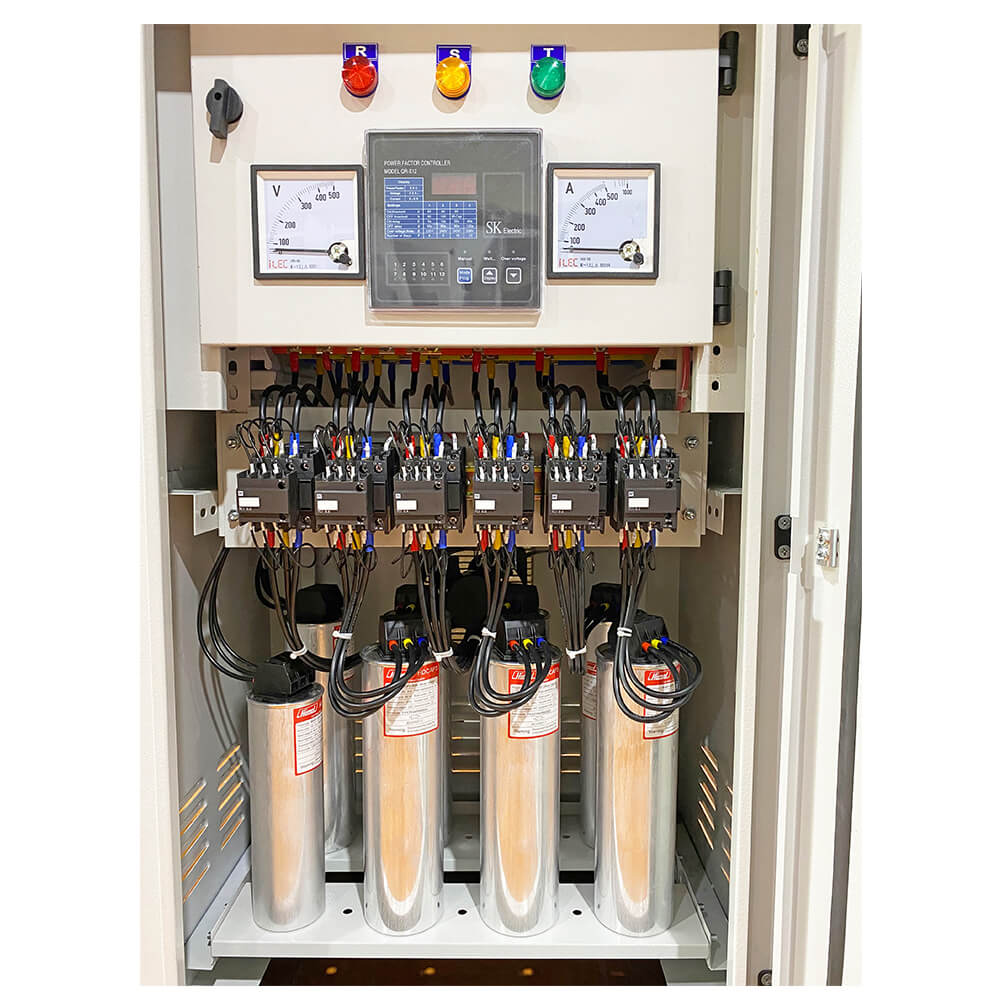
Flexible Solutions for Changing Electrical Loads
Facilities planning to add machinery should allow for realistic demand without compensating excessively for loads not yet present. For load variation and scalable system choices, equipment using drives, rectifiers or other nonlinear electronics can reveal whether a standard capacitor arrangement is suitable or further analysis is required. This keeps the proposal specific to the facility rather than relying on a generic package.
An effective solution should be technically appropriate, maintainable and supported by recorded information from the installation. For load variation and scalable system choices, the utility tariff and any recorded power-factor observations helps the engineering team plan a configuration that is practical to install and service. The final recommendation should be confirmed against site readings and applicable electrical standards.
Power Factor Correction System in Ghaziabad projects need a site-specific review before equipment is selected. A useful starting point is a review of the site’s measured electrical behaviour, rather than a guess based on the connected equipment list. For load variation and scalable system choices, the difference between connected load and measured demand should be reviewed before estimating likely savings or changes in available distribution capacity. Actual performance depends on measured demand, installation quality and operating conditions.
Every installation follows its own operating rhythm, so the correction plan should reflect when machinery starts, pauses and runs together. For load variation and scalable system choices, the long-term practicality of access, testing and replacement can reduce the risk of over-compensation and unsuitable switching behaviour. No fixed panel size should be assumed before the survey and technical review are complete.
The proposed arrangement should suit the supply system, available switchboard space and maintenance practices followed at the premises. For load variation and scalable system choices, compressors, process machinery and workshop equipment can help determine an appropriate compensation strategy before a panel is specified. The scope and timeline can be agreed after the installation details have been checked.
A practical assessment brings together power readings, equipment schedules and the facility’s plans for future expansion. For load variation and scalable system choices, the existing panel, feeder arrangement and protective devices can reveal whether a standard capacitor arrangement is suitable or further analysis is required. This keeps the proposal specific to the facility rather than relying on a generic package.
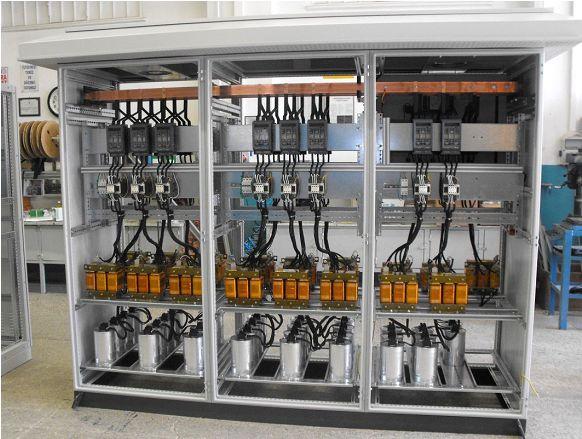
Responsible Engineering for Efficient Power Use
Good engineering decisions depend on evidence gathered during representative operating periods and interpreted against site requirements. For responsible design and long-term operation, the maintenance team’s inspection and record-keeping process may influence the choice of control method, component ratings and protective arrangement. Actual performance depends on measured demand, installation quality and operating conditions.
Power Factor Correction System in Ghaziabad projects need a site-specific review before equipment is selected. Before any equipment rating is finalised, the electrical arrangement and the intended mounting location should be checked. For responsible design and long-term operation, the expected switching frequency and reactive demand range provides a sound basis for deciding which measurements or corrective actions are still needed. No fixed panel size should be assumed before the survey and technical review are complete.
The objective is to select a solution that follows actual demand and remains straightforward to inspect over time. For responsible design and long-term operation, temperature, connection condition and component service life helps the project team coordinate work with site safety and access requirements. The scope and timeline can be agreed after the installation details have been checked.
A measured approach helps distinguish a low power factor concern from other conditions that may affect electrical performance. For responsible design and long-term operation, controller settings and the sequence of capacitor-stage operation should be checked so the selected capacity reflects actual demand rather than assumptions. This keeps the proposal specific to the facility rather than relying on a generic package.
Site conditions can change between shifts, making suitable control and accurate readings important parts of the design. For responsible design and long-term operation, air-conditioning plants, lifts and building services should be recorded so future maintenance visits can compare performance with a known baseline. The final recommendation should be confirmed against site readings and applicable electrical standards.
Transparent Infra And Energy Solutions – Power Factor Expertise
An installation plan should account for operating continuity, technician access and the protection requirements of the distribution system. For responsible design and long-term operation, capacitor stages and the controller that operates them may influence the choice of control method, component ratings and protective arrangement. Actual performance depends on measured demand, installation quality and operating conditions.
Power Factor Correction System in Ghaziabad projects need a site-specific review before equipment is selected. Equipment choice should follow the survey findings, including unusual load behaviour and any power-quality concerns. For responsible design and long-term operation, the electrical room’s ventilation and service access provides a sound basis for deciding which measurements or corrective actions are still needed. No fixed panel size should be assumed before the survey and technical review are complete. Transparent Infra And Energy Solutions can discuss the next step after reviewing the facility’s requirements.
A documented project gives maintenance staff a useful record of settings, tests and expected operating behaviour. For responsible design and long-term operation, equipment using drives, rectifiers or other nonlinear electronics helps the project team coordinate work with site safety and access requirements. The scope and timeline can be agreed after the installation details have been checked.
The correction target needs to be considered alongside demand variation, system characteristics and applicable utility billing rules. For responsible design and long-term operation, the utility tariff and any recorded power-factor observations should be checked so the selected capacity reflects actual demand rather than assumptions. This keeps the proposal specific to the facility rather than relying on a generic package.
Panel location, heat dissipation and safe working clearances can influence the final arrangement as much as its electrical rating. For responsible design and long-term operation, the difference between connected load and measured demand should be recorded so future maintenance visits can compare performance with a known baseline. The final recommendation should be confirmed against site readings and applicable electrical standards.
Reviewing the existing installation first helps avoid specifying equipment that does not fit the facility’s real conditions. For responsible design and long-term operation, the long-term practicality of access, testing and replacement may influence the choice of control method, component ratings and protective arrangement. Actual performance depends on measured demand, installation quality and operating conditions.
Power Factor Correction System in Ghaziabad projects need a site-specific review before equipment is selected. The service plan can be coordinated with operating hours to limit unnecessary disruption during inspection or installation. For responsible design and long-term operation, compressors, process machinery and workshop equipment provides a sound basis for deciding which measurements or corrective actions are still needed. No fixed panel size should be assumed before the survey and technical review are complete.